

FemTech and women’s health: what consumer digital tools can and cannot do
FemTech includes apps, software and connected devices designed to support menstrual, fertility, pregnancy and menopause tracking. Its potential depends on evidence, regulation and careful handling of sensitive data.
 By
Nolan Pierce
By
Nolan Pierce
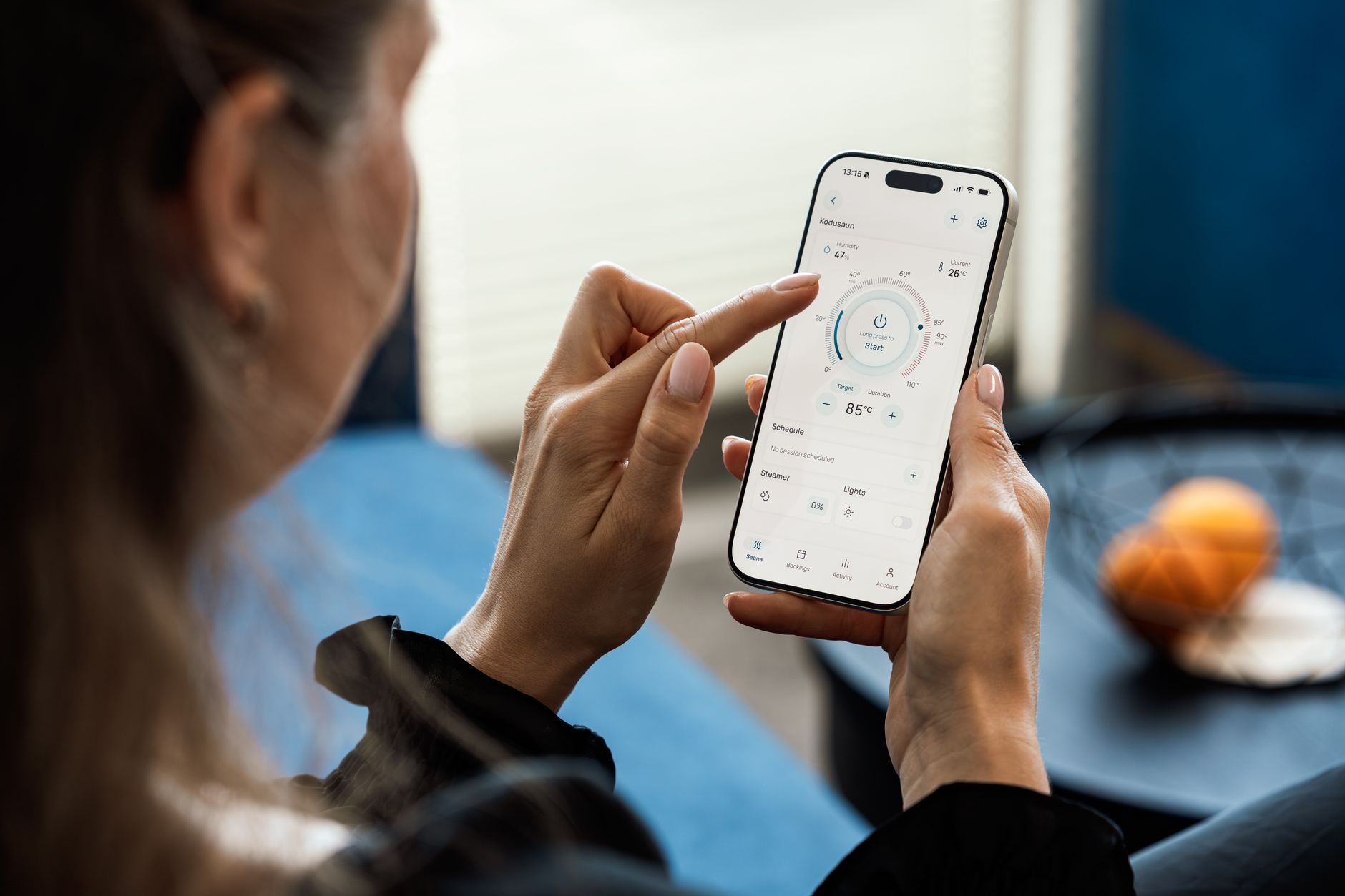
FemTech is a broad category of consumer digital technology designed to support women’s health. It includes apps, software and connected devices used around menstruation, fertility, pregnancy, menopause and some reproductive health conditions. These tools can make it easier to record symptoms, organize personal observations and, in some cases, combine different kinds of health information. Their usefulness, however, depends on what a product is designed to do, the evidence behind it and the way it handles highly sensitive personal data.
In brief
- FemTech covers consumer apps, software and connected devices intended to support women’s health.
- Products in this category may address menstruation, fertility, pregnancy, menopause and some reproductive health conditions.
- Evidence supports certain uses for menstrual symptom management, awareness and symptom tracking, while high-quality evidence remains limited.
- Sensitive data practices, product classification and access remain central considerations for users and health systems.
For readers following practical developments in digital health and consumer health tools, FemTech is best understood as a varied group of products rather than a single type of service. A menstrual tracking app, a connected breast pump and a pelvic floor training tool may all sit within the category, but they raise different questions about accuracy, privacy and medical oversight.
What consumer FemTech tools are designed to support
A briefing from the UK Parliamentary Office of Science and Technology describes FemTech as consumer digital technology that supports women’s health, spanning apps, software and connected devices. The category includes products intended to help users manage menstruation, fertility, pregnancy, menopause and some reproductive health conditions.
That breadth matters because the day-to-day role of a product can differ considerably. Some services focus on logging cycle dates, bleeding patterns, pain or other symptoms. Others are built around fertility awareness, pregnancy-related information, breastfeeding equipment or pelvic floor exercises. Research reviewed in the parliamentary briefing has examined menstrual symptom management apps, fertility and contraception technologies, wearable breast pumps, pelvic floor training tools and menopause apps.
In practice, these tools often turn experiences that can be difficult to remember over time into a structured record. A user may see recurring symptoms more clearly or bring a more organized history to a healthcare appointment. That does not make a digital record a diagnosis. It does mean that the product’s intended purpose should be clear before users decide how much weight to place on its outputs.

Where the evidence is useful, and where it remains limited
The available evidence does not support treating every FemTech product as equally effective. The parliamentary briefing notes that research is growing, but that high-quality evidence remains limited. It also identifies concerns in some studies, including unrepresentative participant groups, self-reported data and industry funding, all of which can affect how confidently findings should be interpreted.
There are nevertheless specific areas where evidence suggests a practical benefit. Some digital interventions can help users manage menstrual symptoms, improve menstrual health awareness and support symptom tracking. Fertility technologies that combine menstrual information with biological indicators, such as body temperature or hormone measurements, can help users estimate ovulation more accurately.
Those findings describe particular uses, not a blanket endorsement of every app or connected device. A product that records information may be useful for monitoring patterns without being intended to provide clinical advice. Similarly, a feature designed for wellness may not meet the standard expected of a medical device.
The distinction has regulatory implications. According to the briefing, FemTech products may be classified as medical devices or wellness products depending on their intended purpose. Products regulated as medical devices require relevant clinical evidence, risk-management documentation and safety data. Users considering a product should therefore look closely at its stated purpose and avoid assuming that an app can perform functions it was not designed or regulated to perform.
Privacy and data controls are part of the health decision
Many FemTech products collect information about menstruation, fertility, pregnancy and sexual activity. This can be useful when a service is built to help users track a specific concern, but it also makes data governance a central part of product choice. The parliamentary briefing highlights concerns around privacy, cybersecurity and third-party data sharing.

Studies cited in the briefing found differences in app and hardware privacy practices, data deletion mechanisms and security settings. This means users may encounter very different choices around what they share, how long it is retained and whether they can remove it. Before entering detailed information, it is worth checking the privacy settings, deletion options and the product’s explanation of how data is used.
Privacy is not the only access issue. Researchers and stakeholders have raised concerns that FemTech may not benefit all groups equally. Barriers can include access to the technology itself, limited digital literacy, underrepresentation in datasets and exposure to technology-facilitated abuse. These considerations place the emphasis on product design as well as on individual use.
Innovation programs are widening the focus beyond individual products
FemTech is also becoming a focus for programs that connect product developers with clinicians, researchers and health-sector partners. In Qatar, the QSTP x Merck FemTech Accelerator was launched to support up to 30 startups working on women’s health solutions. The program is intended to provide selected companies with scaling support, market-entry pathways and opportunities for clinically aligned pilots.
In Dubai, the Women’s Pavilion at Expo City Dubai launched the FemTech Hub, an initiative intended to advance women’s health through science, technology, education, innovation and economic empowerment. Its stated first-year aims include supporting more than 15 startups, engaging more than 1,000 women and training more than 100 clinicians.
Such initiatives point to an important part of the category’s future: consumer tools do not exist in isolation. Their value depends on whether they are designed around clear needs, assessed with appropriate evidence and used with an understanding of their limits. For people choosing a FemTech product today, the most useful questions remain straightforward: what does it claim to do, what information does it collect, and does its intended use match the support they need?
Continue reading