


Central bank independence and the rules for removing a governor
Central banks are built to stand apart from day-to-day politics. Fixed terms and removal rules explain why, and why disputes over them move markets.
 By
Noah Bennett
By
Noah Bennett
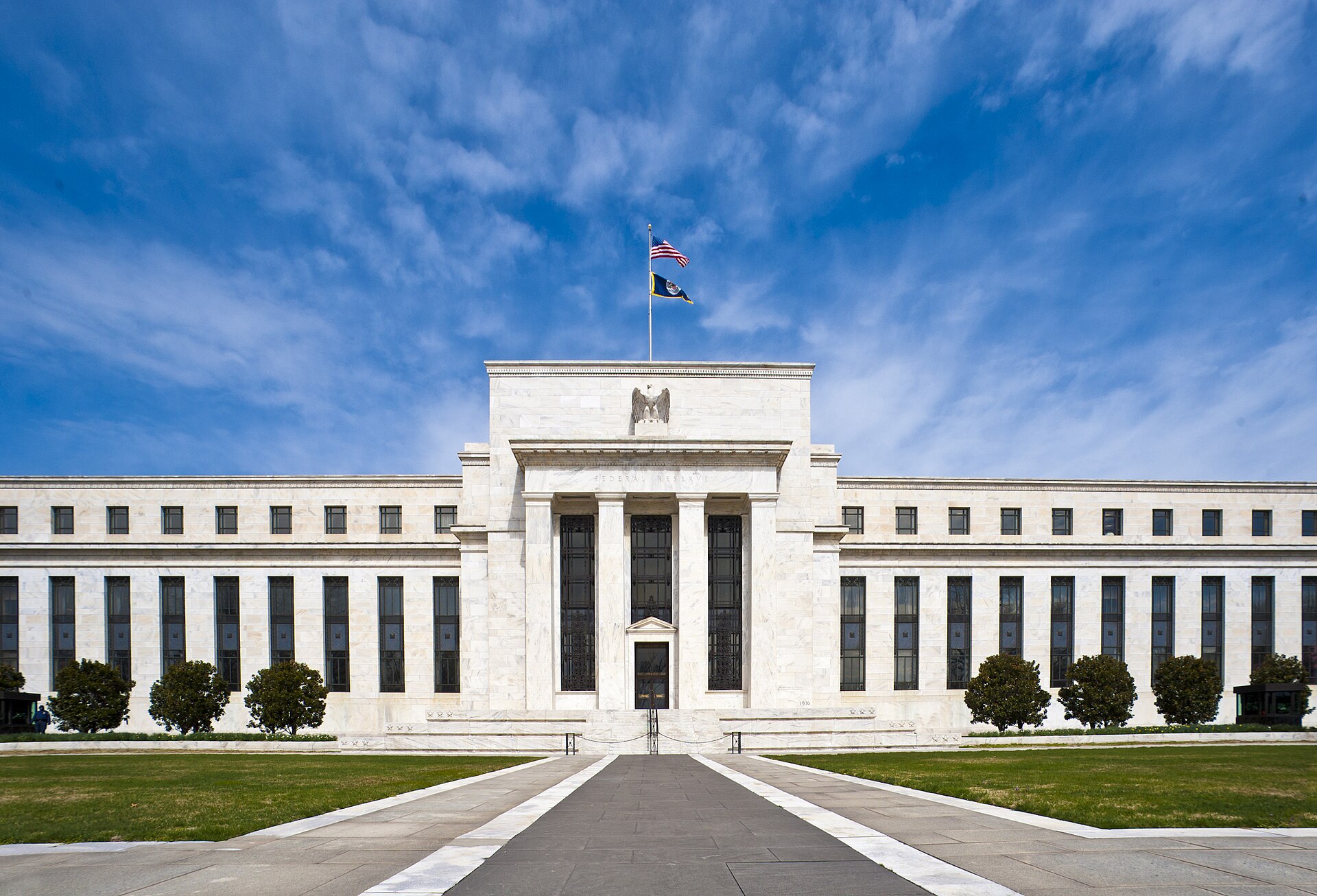
Interest rates touch almost every household: mortgages, savings, car loans, the cost of doing business. Because the stakes are so broad, many countries decided long ago that the body setting those rates should be insulated from short-term political pressure. That idea is called central bank independence, and the rules that protect it, especially those about who can be removed and how, are among the most closely watched details in economic policy.
In brief
- Because the stakes are so broad, many countries decided long ago that the body setting those rates should be insulated from short-term political pressure.
- Because the phrase is not spelled out in great detail, any attempt to use it draws close scrutiny and often ends up in court.
- Protecting that belief is a task for law, for institutions and for the habits of those in power.
Why independence is built into the design
Elected officials face a natural temptation. Lower rates make borrowing cheaper and can lift growth and hiring in the short run, which is attractive before an election. Yet the same policy, applied too long, can push prices up and erode savings. A central bank with a mandate to keep inflation under control, and with room to act unpopularly when needed, is meant to counter that temptation.
Independence does not mean absence of oversight. Central banks usually report to the legislature, publish their decisions, explain their reasoning and operate under a mandate set by law. What they are shielded from is direct instruction on individual rate decisions.
Fixed terms and removal for cause
The most common protection is the fixed term. Governors are appointed for long, staggered periods, so that no single government can replace the whole board at once. In the United States, the law governing the Federal Reserve also says that its governors can be removed by the president only for cause. That wording is deliberate: a policy disagreement is not meant to be enough.
What counts as cause is the delicate part. Lawyers and courts generally expect real misconduct, a clear legal basis and a fair process, not simply political displeasure. Because the phrase is not spelled out in great detail, any attempt to use it draws close scrutiny and often ends up in court.
Why process matters as much as the outcome
Even when allegations about an official are serious, the way they are examined shapes whether the result is trusted. A credible process gives the person notice of the charges, a chance to respond, an impartial decision maker and a record that others can review. If the body investigating is made up entirely of people who answer to the executive branch, critics are likely to say the outcome was decided in advance.
Courts are often asked to settle such disputes. They look at whether the legal standard was met, whether the person had a real opportunity to defend themselves and whether the removal fits the purpose of the statute. This is why these cases can drag on and why each procedural step becomes news.
Why markets react to a governor’s seat
Investors do not only care about the next rate decision. They care about how predictable the framework is. If it seems that board members could be replaced for disagreeing with the government, expectations about future inflation can shift. Bond yields, the currency and the cost of borrowing can all move as a result, even before any policy changes.
- Credibility lowers the premium that lenders ask for.
- Predictable rules help businesses plan investments.
- Uncertainty about who sets policy tends to raise long-term borrowing costs.
How to read a dispute over a central banker
When a story breaks about pressure on a central bank official, a few questions help separate noise from substance. Is the legal ground specific or vague? Is there a neutral forum for the person to respond? Does the move follow the stated rules, or does it test them? And what do other institutions, such as courts and legislators, say in response?
Whatever the specifics, the underlying principle stays the same: monetary policy works best when the public believes it is set by people who can make hard calls without fearing for their jobs. Protecting that belief is a task for law, for institutions and for the habits of those in power.