

Close Menu
  • Top Stories
  • News
  • Entertainment
  • Health
  • Home
  • Money
  • Sports
  • Tech
  • Transportation
  • Travel
  • About us
  • Advertising
  • Contact
Trending
How turboprops help reduce airport congestion
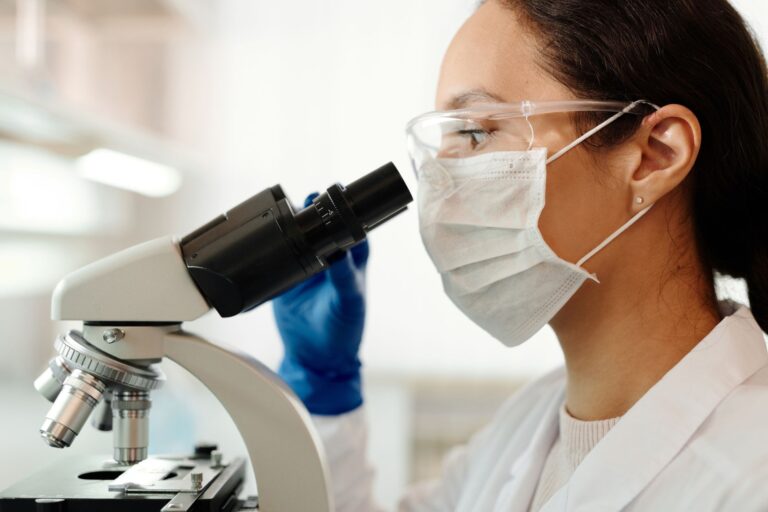
Illustration of the flu virus engaging in cellular invasion as observed through advanced ViViD-AFM microscopy.
Microscope Breakthrough Unveils Real-Time Flu Virus Invasion, Offering New Insights Into Disease Prevention and Control
Illustration of a microneedle-based sensor assessing fish freshness.
New Sensor Revolutionizes Fish Freshness Checks with Microneedles, Enhancing Safety and Trust in Seafood Consumption

Facebook X (Twitter) RSS
Fylladey
Facebook X (Twitter) RSS
  • Entertainment
  • Health
  • Home
  • Money
  • News
  • Sports
  • Tech
  • Top Stories
  • Transportation
  • Travel
Fylladey

New Sensor Revolutionizes Fish Freshness Checks with Microneedles, Enhancing Safety and Trust in Seafood Consumption

A groundbreaking sensor developed by Australian scientists promises to revolutionize seafood safety by delivering nearly instant, accurate measurements of fish freshness using microneedle technology.
Rosemary PotterBy Rosemary Potter12/07/202515
Share Twitter Facebook LinkedIn WhatsApp Email Copy Link
Follow Us
Google News
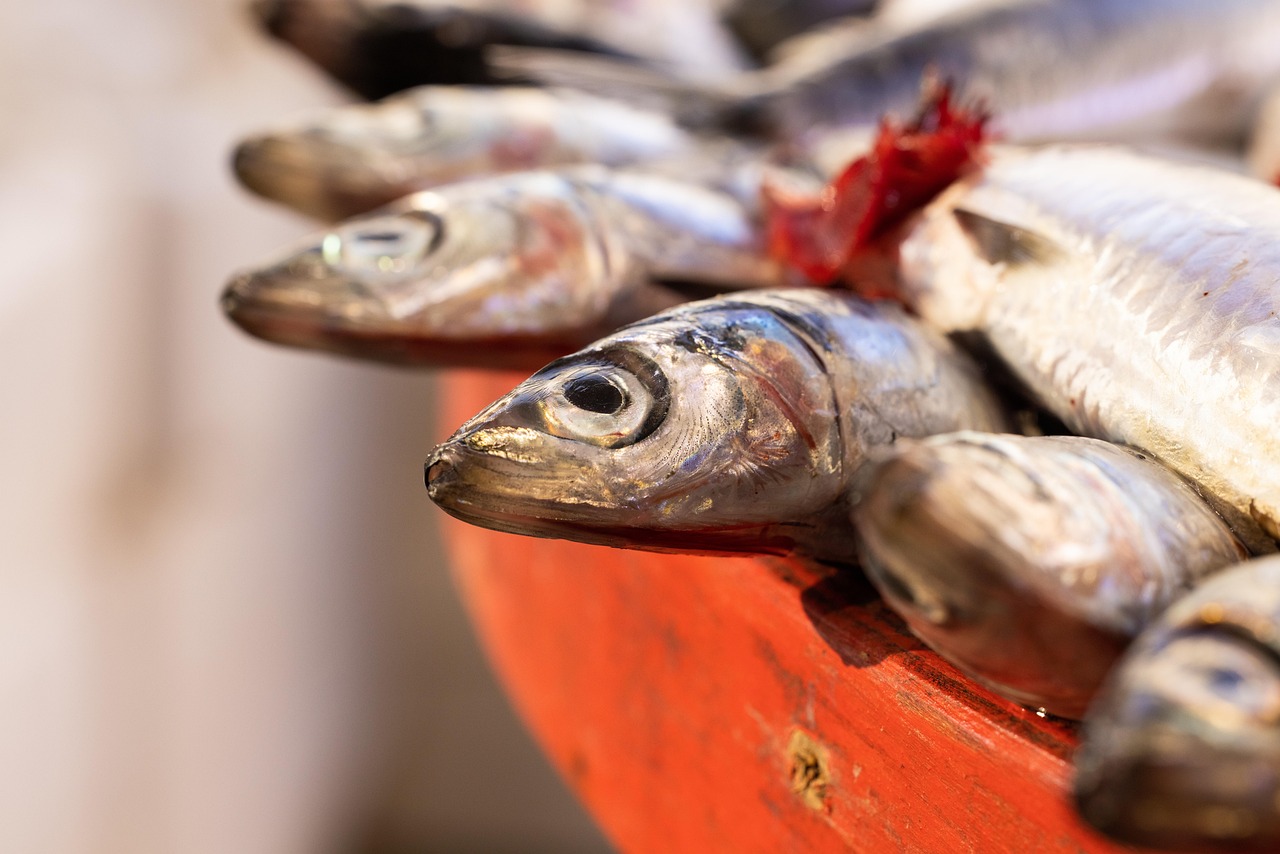
Illustration of a microneedle-based sensor assessing fish freshness.
Share
Twitter Facebook LinkedIn WhatsApp Email Copy Link
IN A NUTSHELL
  • 🐟 New sensor uses microneedles to provide rapid assessment of fish freshness.
  • 🔬 Sensor measures hypoxanthine levels to determine the freshness of fish in less than two minutes.
  • 🧪 Developed by Deakin and Monash universities, it offers a practical alternative to lab-based testing.
  • 🌍 Potential to transform seafood safety and reduce waste in the seafood industry.

In the quest for the freshest seafood, a groundbreaking new sensor promises to transform how we assess fish quality. Developed by scientists from Australia’s Deakin and Monash universities, this innovative device utilizes a grid of microneedles to provide nearly instantaneous feedback on fish freshness. By measuring levels of hypoxanthine—a compound that increases as fish degrades—this sensor offers a quick and reliable alternative to traditional, labor-intensive methods. Whether at home or in a restaurant, consumers and chefs can now ensure they’re serving only the freshest fish, all within a matter of seconds.

Understanding Hypoxanthine: The Key to Fish Freshness

Hypoxanthine (HX) is a compound that forms in fish flesh soon after the fish dies. As nucleic acids and other molecules begin to break down, HX levels rise, providing a measurable indicator of freshness. The longer the time since the fish’s death, the higher the concentration of HX.

Traditionally, measuring HX levels has been a complex process, requiring specialized laboratory equipment and significant time investment. This makes it impractical for quick assessments in everyday settings like home kitchens or restaurants. Hence, there was a pressing need for a more accessible solution that could offer reliable results quickly and efficiently.

The development of this sensor addresses that need by offering an objective measure of fish freshness that can be conducted in a fraction of the time. This innovation could lead to significant improvements in food safety and quality assurance across multiple culinary environments.

The role of technology in personal finance management

The Science Behind the Microneedle Sensor

The sensor developed by Deakin and Monash universities is a marvel of modern science. It features a 4×4 grid of microneedles, each coated with gold nanoparticles and xanthine oxidase. Xanthine oxidase is an enzyme that breaks down HX, and its presence on the microneedles allows for rapid interaction with the fish flesh.

When the sensor is pressed into the fish, the enzyme reacts with the HX, causing a change in the electrical potential of the fish flesh. This change is measured by the sensor, providing a quick and objective reading of the fish’s freshness.

This method not only saves time but also eliminates the need for complex and expensive lab equipment, making it accessible for everyday use. The sensor’s ability to deliver results in less than two minutes is a significant leap forward in food technology, offering both speed and accuracy.

How technology is changing the landscape of sports

Testing and Validation: Ensuring Accuracy

The sensor underwent rigorous testing to ensure its accuracy and reliability. Scientists tested the device on pieces of salmon left at room temperature for up to 48 hours. The sensor successfully detected HX concentrations as low as 500 parts per billion, a level that is considered to indicate “very fresh” fish.

The results obtained by the sensor were consistent with those from a commercially available laboratory-based testing kit, demonstrating its effectiveness. This validation underscores the sensor’s potential as a valuable tool in both domestic and commercial kitchens.

By providing quick, reliable results, this sensor could replace more cumbersome testing methods, streamlining the process of ensuring fish freshness and ultimately enhancing food safety standards.

“This Secret Device Powers Your Adventures”: Here’s the Compact Solution You Didn’t Know You Needed (and it’s a game-changer)

Implications for the Seafood Industry

The introduction of this sensor could have far-reaching implications for the seafood industry. With increasing consumer demand for transparency and quality assurance, this technology offers a way to meet those expectations. Restaurants and retailers could use the sensor to guarantee the freshness of their seafood offerings, thereby building trust with their customers.

Moreover, the sensor’s ease of use and rapid results could reduce waste by accurately identifying fish that are still suitable for consumption. This aligns with broader sustainability goals within the food industry, aiming to minimize food waste and maximize resource efficiency.

As the sensor becomes more widely adopted, it could set a new standard for freshness testing, reshaping consumer expectations and industry practices alike. The potential for such transformative change highlights the importance of continued innovation in food safety technologies.

As we look to the future, the question remains: how will this new technology influence consumer habits and the broader seafood market? Will it lead to stricter standards and greater transparency in the supply chain, or will it simply serve as a tool for those already committed to quality? The answers may reveal themselves as this innovative sensor becomes more widely embraced across the industry.

This article is based on verified sources and supported by editorial technologies.
Food Safety Innovation Marine Technology Innovation Sustainable Technology
Follow on Google News Follow on X (Twitter)
Share. Twitter LinkedIn Facebook WhatsApp Email Copy Link
Previous ArticleBiodegradable Battery Innovation: Stretchy, Eco-Friendly Design Reshapes Future of Sustainable Technology and Environmental Impact
Next Article Microscope Breakthrough Unveils Real-Time Flu Virus Invasion, Offering New Insights Into Disease Prevention and Control
Rosemary Potter
  • X (Twitter)

Rosemary Potter, based in Chicago, explores how research, health, and innovation influence public policy for Fylladey.com. A graduate of Northwestern’s Medill School of Journalism, she brings clarity and precision to pressing global stories with local implications. Contact: [email protected]

A lire également
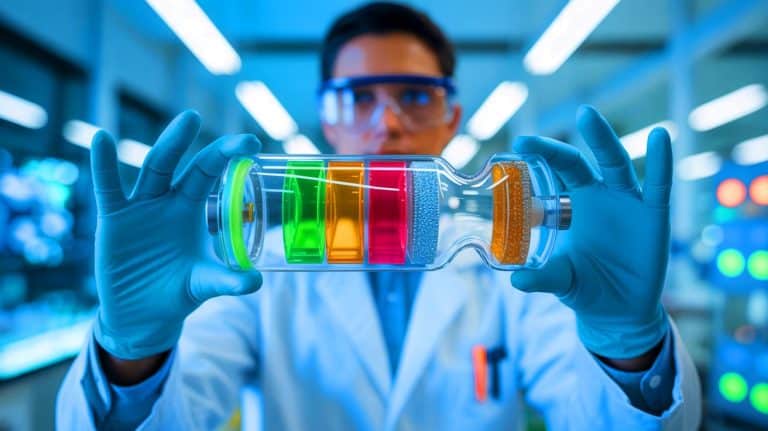
Illustration of a biodegradable, stretchable battery developed by McGill University researchers for sustainable energy solutions.

Biodegradable Battery Innovation: Stretchy, Eco-Friendly Design Reshapes Future of Sustainable Technology and Environmental Impact

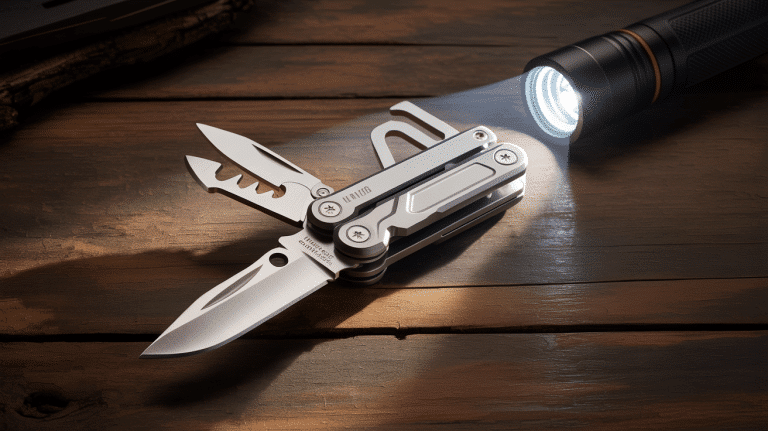
Illustration of the Tacray MT1 multitool with an integrated flashlight designed for practical everyday use.

“Unbelievable Power”: This Tiny Multitool Shines 260 Lumens to Light Your Way (and It’s Already in Your Pocket)

Illustration of the Outask TD2 lantern showcasing its multifunctional design with telescopic and magnetic features.

“This Changes Everything”: Telescoping Magnetic Multi-Lamp Reveals Hidden Potential (and It’s Already in Your Home)

Illustration of Hypershell's X Ultra Exoskeleton Enhancing Human Mobility in Outdoor Terrains.

“Is This the Future of Mobility?”: Wearable Exo Motor Unleashes Shocking Power (And It’s More Than an E-Bike)

View 15 Comments
15 Comments
  1. Matthewdestiny on 12/07/2025 6:13 AM

    Wow, this could be a game-changer for seafood lovers! 🐟

    Reply
  2. mohammed6 on 12/07/2025 6:13 AM

    Wow, this sensor sounds revolutionary for seafood lovers! 🐟 Can’t wait to try it out.

    Reply
  3. Carol_melody on 12/07/2025 6:48 AM

    How much does this sensor cost, and is it available for home use?

    Reply
  4. ameliaflame on 12/07/2025 7:04 AM

    How long until these sensors are available on the market?

    Reply
  5. Aurora on 12/07/2025 7:23 AM

    Great article! Thanks for sharing this groundbreaking innovation.

    Reply
  6. Anthonywave7 on 12/07/2025 7:55 AM

    I’m a bit skeptical. How accurate can a microneedle be in measuring freshness?

    Reply
  7. Aurelia on 12/07/2025 7:57 AM

    I’m skeptical. How accurate can a microneedle sensor really be?

    Reply
  8. William on 12/07/2025 8:32 AM

    Finally, a way to avoid that fishy smell in my fridge! 😂

    Reply
  9. Helen on 12/07/2025 8:47 AM

    Thank you for the detailed explanation! This tech sounds promising for reducing food waste. 👏

    Reply
  10. Sophia on 12/07/2025 9:06 AM

    Will this sensor work on other types of seafood, like shellfish?

    Reply
  11. Marinafire on 12/07/2025 9:37 AM

    Why measure hypoxanthine? Is this the only indicator of fish freshness?

    Reply
  12. anthony on 12/07/2025 9:41 AM

    Thank you for this informative piece. It’s exciting to see science improve food safety!

    Reply
  13. isabella_moon on 12/07/2025 10:16 AM

    Fish freshness in two minutes? Sounds like a dream come true for chefs.

    Reply
  14. sebastian on 12/07/2025 10:27 AM

    This sounds like science fiction! Can’t wait to try it out. 😄

    Reply
  15. williamorphan on 12/07/2025 10:50 AM

    Can this technology be adapted for use in other perishable foods? 🌽

    Reply
Leave A Reply Cancel Reply

Trending
How turboprops help reduce airport congestion
Illustration of the flu virus engaging in cellular invasion as observed through advanced ViViD-AFM microscopy.
Microscope Breakthrough Unveils Real-Time Flu Virus Invasion, Offering New Insights Into Disease Prevention and Control
Illustration of a microneedle-based sensor assessing fish freshness.
New Sensor Revolutionizes Fish Freshness Checks with Microneedles, Enhancing Safety and Trust in Seafood Consumption
News by category
  • Entertainment
  • Health
  • Home
  • Money
  • News
  • Sports
  • Tech
  • Top Stories
  • Transportation
  • Travel
Information
  • About us
  • Advertising
  • The editorial team
  • Contact
  • Legal Information
  • Privacy and Cookie Policy
About

Fylladey.com brings clarity to everyday complexity. Covering news, tech, health, finance, sports, travel, and more, the platform helps readers make sense of a fast-moving world. With insightful coverage and accessible content, it’s a daily guide to the topics that shape our lives, our choices, and our understanding of today.

Facebook X (Twitter)
Facebook X (Twitter) RSS
  • About us
  • Advertising
  • The editorial team
  • Contact
  • Legal Information
  • Privacy and Cookie Policy
© Fylladey.com. All rights reserved.

Type above and press Enter to search. Press Esc to cancel.