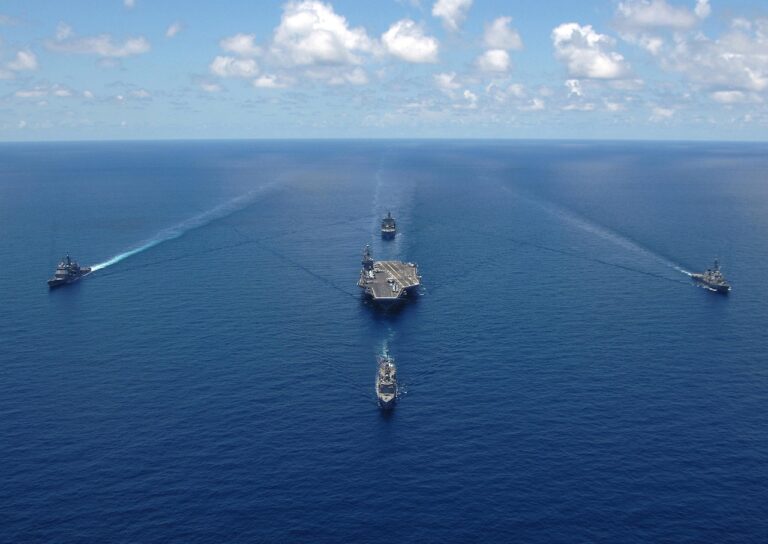



What the USS Abraham Lincoln’s record-setting Iran war deployment involved
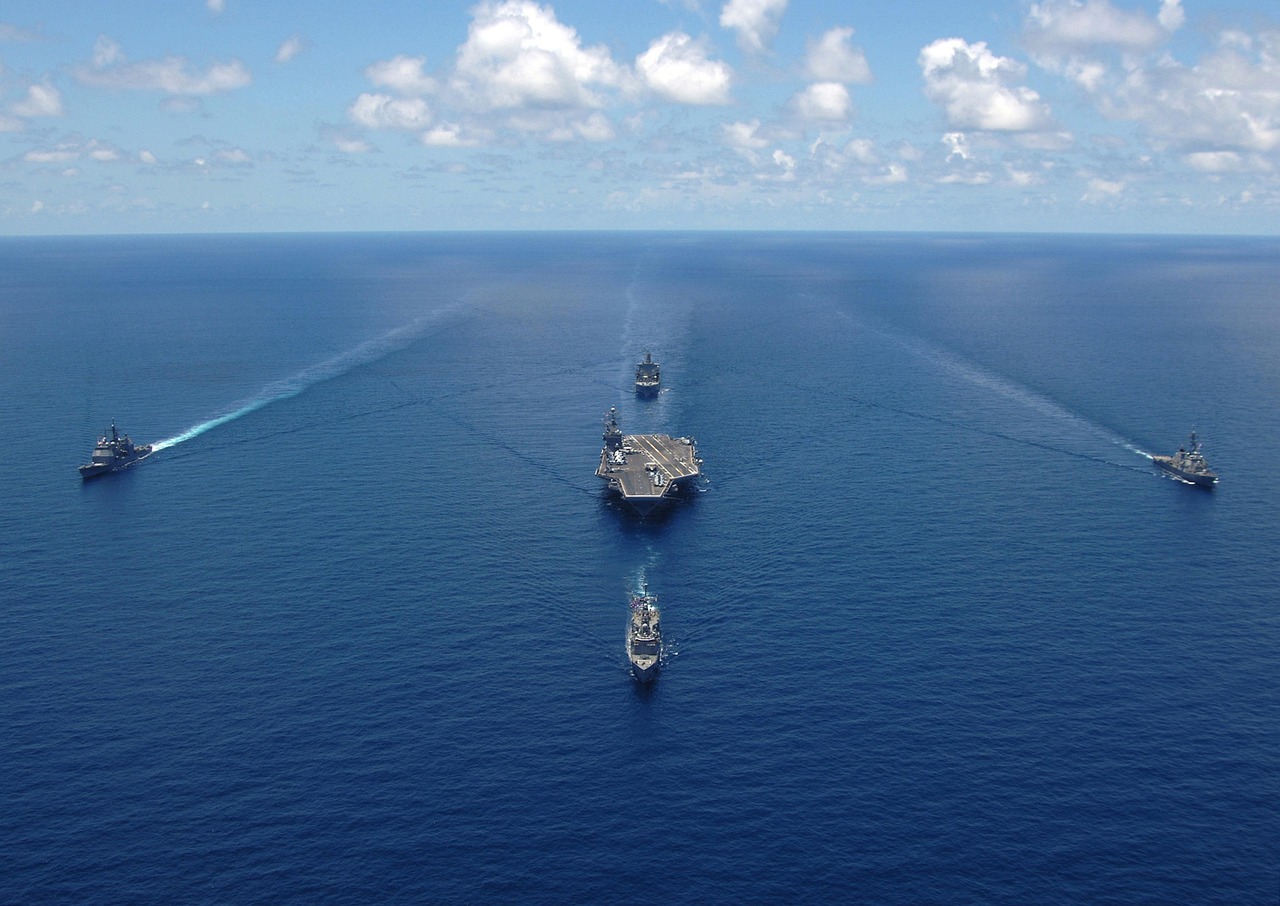
The USS Abraham Lincoln came back to San Diego on Oct. 8, 2026, after 321 days away. What its long Iran war deployment involved, as reported.
 By
Gabriel Cruz
By
Gabriel Cruz
In brief
- It was tied to the war with Iran, and it brought the crew both a top unit award and sustained criticism over conditions on board.
- Hegseth told the crew that the mission inspired him and that they had altered the course of history, according to NBC News.
- On the day of its return, NBC News wrote, the carrier came home both to eager families and to scrutiny that had not ended over earlier reports of low morale among the crew.
On Oct. 8, 2026, the aircraft carrier USS Abraham Lincoln tied up in Coronado, on San Diego Bay, at Naval Air Station North Island, closing a deployment that had kept its crew away from home port for more than ten months.
Outlets gave slightly different counts of its length: the ship came back after 321 days, as reported by CBS News, while NBC News coverage of the return and the Associated Press account published by PBS NewsHour put the figure at 322 days. NBC News ranked the mission among the longest at sea in American military history. It was tied to the war with Iran, and it brought the crew both a top unit award and sustained criticism over conditions on board.
How the numbers stack up
The sources measured the deployment in several ways, and their figures are best read side by side rather than merged.
- Time at sea without a break: the AP counted 265 straight days on the water, which it called a record. NBC News reported 286 days without a port call. CBS News put the unbroken stretch at sea in 2026 above 250 days.
- Overall length: 321 days according to CBS News, 322 according to NBC News and the AP. NBC News added that the carrier had spent more than 300 consecutive days overseas and ranked it as the second-longest since the Vietnam War.
- The benchmark: the USS Gerald R. Ford came home in May 2026 from a 326-day deployment, which the AP described as the longest by an aircraft carrier in half a century. The Lincoln fell just short of that mark.
- The crew: CBS News put the number of sailors and Marines aboard at over 4,500, NBC News cited 5,000 crew members, and the AP gave 6,000 sailors for the whole strike group.
According to the AP, the Lincoln was also the second carrier of the Iran war to log an exceptionally long deployment and then be awarded the Presidential Unit Citation.
From San Diego to the Middle East and back
As the outlets reported it, the deployment followed this outline:
- November 2025: the Lincoln sailed from San Diego.
- January 2026: it reached the Middle East.
- Feb. 28, 2026: U.S. and Israeli forces opened airstrikes on Iran. NBC News reported that the ship deployed under Operation Epic Fury, which the Defense Department presented in February 2026 as aimed at destroying Iran’s offensive missiles, its missile production, its navy and other security infrastructure.
- August 2026: the Japan-based USS George Washington arrived to take over from the Lincoln, which pulled out of the region late that month.
- Early September 2026: on the way home, the crew got a port stop in Thailand, according to the AP, and CBS News listed Guam as another stop on the way back.
What the citation credits the strike group with
On Oct. 7, 2026, Pete Hegseth, the Defense Secretary, flew aboard the carrier to present the crew with the Presidential Unit Citation. NBC News and the AP described it as the top honor a unit can earn, normally kept for major achievements in combat. The citation he read to the crew, as reported by the AP, credited the Lincoln and its strike group with:
- nearly 3,700 combat missions carried out;
- 450 Tomahawk cruise missiles launched;
- 64 Iranian warships sunk;
- 21 anti-ship cruise missiles destroyed;
- 77 one-way attack drones shot down.
NBC News reported that the Lincoln and its air wing together released more than 1,145 weapons over their ten months at sea. Some crew members painted a mural representing the 1,463 objects struck during Operation Epic Fury. Cody Forsythe, a commander serving as an air operations officer, told NBC News that such murals are rare in the military and estimated that the last comparable project dated back to the 1940s.

Hegseth told the crew that the mission inspired him and that they had altered the course of history, according to NBC News. He also rejected what he described as efforts to make the Lincoln a symbol of dysfunction, low morale or a failed mission.
Conditions on board and the scrutiny that followed
The length of the deployment came with problems that put the Navy under pressure. CBS News reported accounts of supply shortages and faulty plumbing, while crew members’ families raised concerns about worsening mental health aboard. Relatives told the AP they had cried and lost sleep after hearing those reports, and that contact with sailors was often limited to an occasional email or a rare WhatsApp call. NBC News reported at least eight suicide attempts; the AP wrote that the Navy gave lawmakers that figure, and that experts considered it low for a strike group numbering 6,000 sailors across 10 months.
The Navy at first played down the problems, the AP reported, before its leaders eventually conceded that there had been some issues on board. In August 2026, President Donald Trump said the Lincoln’s time away was “not nearly long enough.” That same month, Hung Cao, the acting Navy Secretary, said food supplies had stayed adequate but that, with combat operations limiting chances to resupply, meal options had been cut back for a short period. Democrats in Congress voiced outrage and demanded more information from the Navy, according to CBS News, while the Pentagon defended the conditions aboard.
Daniel Keeler, the captain in command of the ship, told the AP that most of the crew were on a first deployment, and he described the difficulties they met as normal for one of that length. He said every sailor could get four meals daily, and compared the carrier to a floating city where a blocked toilet can happen at any moment.
A homecoming that closed the deployment
When the ship docked on Oct. 8, 2026, hundreds of relatives and friends had spent hours waiting in the sun, CBS News reported, and cheers rose from the pier as the carrier came in. Among the first sailors to step ashore were 64 fathers about to see their newborns for the first time, according to the Navy as cited by the AP; Keeler put the total of new fathers at 122 once the air wing was included. Keeler told NBC News the day felt like a mix of Christmas Eve and the last day of school, and noted that some crew members were only 18.
On the day of its return, NBC News wrote, the carrier came home both to eager families and to scrutiny that had not ended over earlier reports of low morale among the crew.