

Outdoor Enthusiasts Rejoice: This $500 Camping Revolution Will Transform Your Adventures Across 2,500 Miles of America
 By
Gabriel Cruz
By
Gabriel Cruz
| IN A NUTSHELL |
|
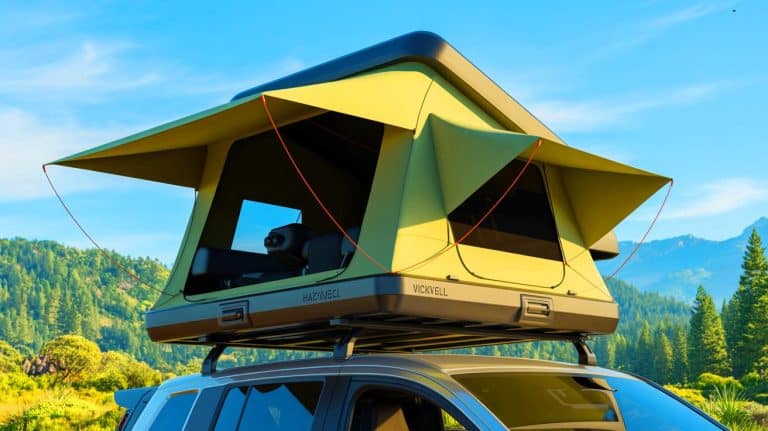
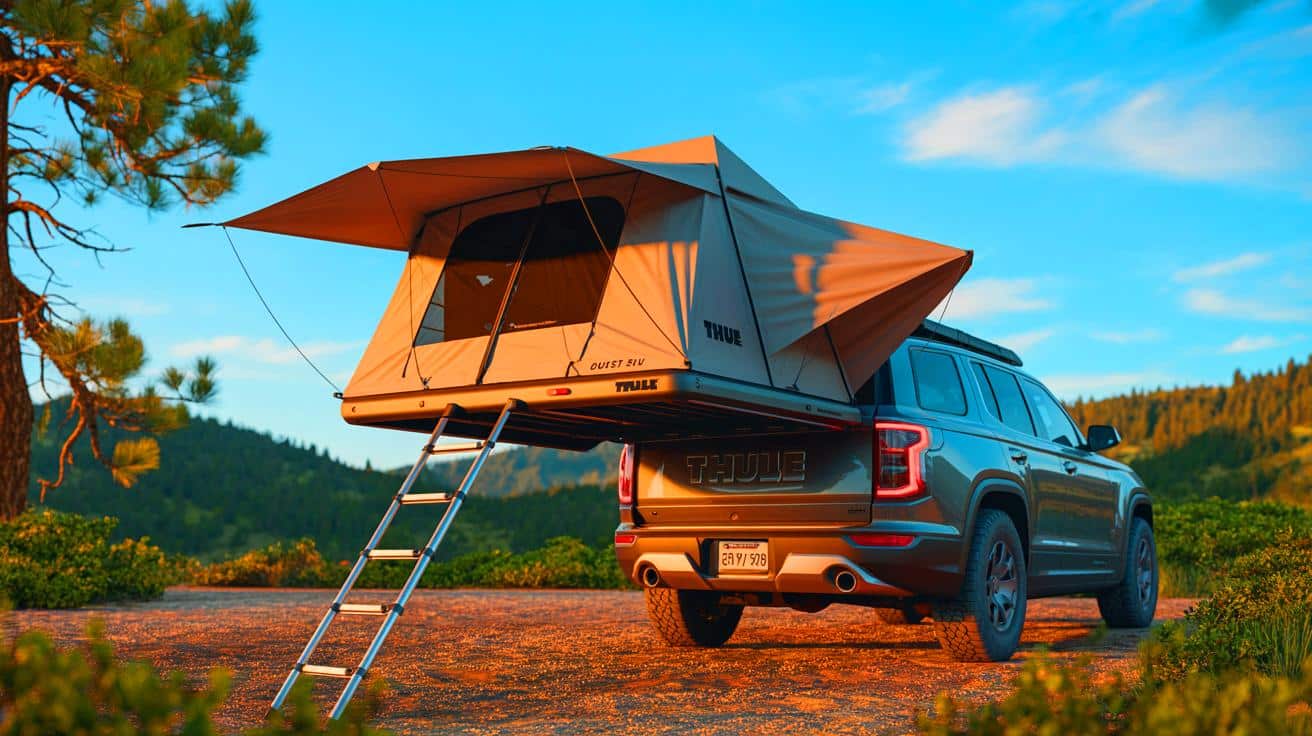
The camping industry has seen remarkable innovations over the past decade, with rooftop tents (RTTs) gaining significant traction among outdoor enthusiasts. Thule, a prominent name in vehicular accessories, has been at the forefront of this trend, offering a range of RTTs since acquiring Tepui in 2018. Now, Thule is looking to revolutionize the camping experience once again with the introduction of the Outset, a hitch-mounted tent that promises a unique blend of comfort and accessibility. Although the Outset has enjoyed success in Europe, its recent launch in the United States raises questions about its potential impact on the American market and whether it can replicate the success of its rooftop predecessors.
A New Chapter in Camping Innovation
Thule’s Outset represents a departure from traditional rooftop tents by offering a hitch-mounted design that combines the benefits of RTTs with those of ground tents. Unlike rooftop tents, which require mounting on top of a vehicle, the Outset attaches to the hitch, allowing for easier accessibility and installation. This unique approach is intended to appeal to campers who appreciate the stability and construction of RTTs but prefer a more accessible solution.
After gaining recognition in Europe and receiving prestigious awards such as the Red Dot and iF design awards, the Outset has finally crossed the Atlantic to make its debut in the U.S. market. Priced at $4,699.95, it offers features like a 663-pound sleeping capacity and easy one-person setup. While these features are enticing, the question remains whether the American market, which has embraced RTTs enthusiastically, will also warm up to this new design.
The Pricing Dilemma
One of the most significant hurdles the Outset faces is its price point. At nearly $4,700, the Outset is one of the most expensive options available in the camping tent market. This places it in direct competition with high-end rooftop tents, such as the iKamper Skycamp 3.0 and Roofnest Condor 2 XL Air, which offer similar or larger sleeping capacities for less money.
Even within its own lineup, Thule offers several RTTs at significantly lower prices. For instance, the Approach M is priced at $2,699.95, while the Approach L costs $3,199.95. These price differences might lead potential buyers to question the value proposition of the Outset, especially when cheaper alternatives provide similar functionalities.
Despite its high cost, the Outset offers unique advantages that differentiate it from traditional RTTs.
Advantages Over Rooftop Tents
While the Outset’s price may give some campers pause, it offers distinct advantages over traditional RTTs. Its hitch-mounted design allows for easier installation and removal, which can be a significant benefit for those who find rooftop tent setup cumbersome. Furthermore, the Outset’s position behind the vehicle improves aerodynamics compared to rooftop models, potentially enhancing fuel efficiency.
At the campsite, the Outset offers a comfortable, elevated sleeping area with a built-in mattress, providing a cozy retreat off the cold, uneven ground. Additionally, the tent can be detached, allowing campers to leave their setup in place while taking day trips in their vehicles, a feature not possible with rooftop tents.
Another advantage of the Outset is its accessibility. Without the need for a ladder, it provides easier access for children, pets, and those with mobility challenges. These features, combined with its portability, make it an appealing option for various camping scenarios.
Market Potential and Future Trends
Historically, the camping market has shown a willingness to embrace innovative products, as evidenced by the rapid growth of the rooftop tent segment. According to Grand View Research, the U.S. RTT market was estimated at nearly $168 million in 2023, with projections to exceed $286 million by 2030. This demonstrates a strong appetite for new camping solutions that enhance the outdoor experience.
The success of the Outset will ultimately depend on its ability to carve out a niche within this competitive landscape. While it offers unique advantages, the high price may deter some potential buyers. However, for those who prioritize convenience, accessibility, and aerodynamics, the Outset presents a compelling option.
Thule’s commitment to innovation and quality positions it well to influence the camping market. Whether the Outset will become a staple of American camping culture remains to be seen, but its introduction certainly adds an intriguing dimension to the evolving world of outdoor recreation.
As Thule’s Outset makes its way into the U.S. market, it raises questions about the future of camping innovation. Will the hitch-mounted tent concept gain traction among American campers, or will it remain a niche product? How will the industry continue to evolve in response to changing consumer preferences and demands for more convenient camping solutions?
Continue reading