


This Dental Mistake Reveals Deadly Danger Lurking In Your Mouth That Could Trigger Pancreatic Cancer Catastrophe
 By
Priya Venkataraman
By
Priya Venkataraman
| IN A NUTSHELL |
|
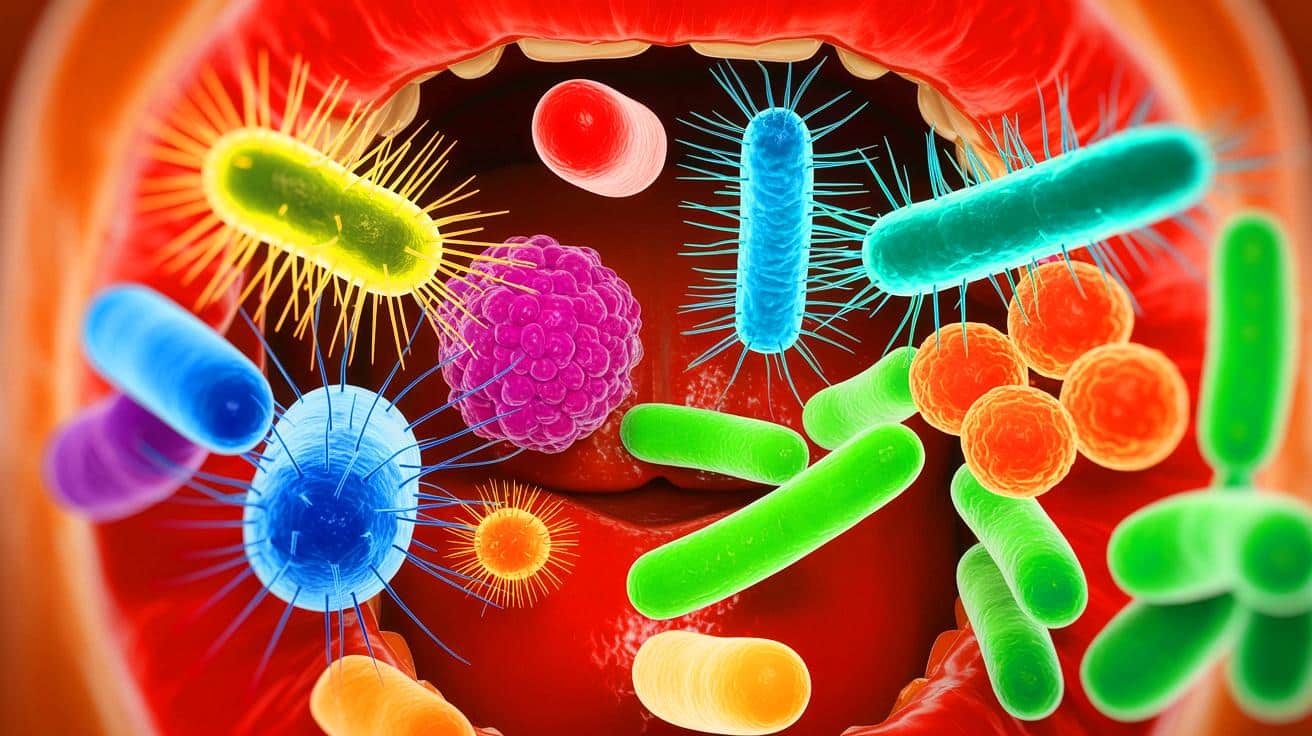
In a groundbreaking study, researchers have uncovered a significant link between the oral microbiome and pancreatic cancer, potentially paving the way for novel diagnostic and preventive strategies. Scientists at NYU Langone Health and its Perlmutter Cancer Center have identified 27 bacteria and fungi residing in our mouths that are associated with an increased risk of developing pancreatic cancer. This discovery holds the promise of transforming how clinicians assess and manage this deadly disease, which remains one of the most lethal forms of cancer due to its low survival rates and late-stage detection.
The Role of Oral Microbes in Pancreatic Cancer
The study conducted by NYU Langone Health involved sampling the saliva of 122,000 healthy individuals in the United States, who participated in two major cancer prevention trials. Over an average follow-up period of nine years, researchers identified 445 participants who were eventually diagnosed with pancreatic cancer. By analyzing the microbial DNA of these individuals and comparing it with a group of 445 cancer-free participants, researchers found that specific bacterial and fungal species either raised or lowered the risk of pancreatic cancer.
Among the microbes identified, three bacteria previously linked to periodontal disease also appeared to elevate the risk of pancreatic cancer. People with a particular combination of these problematic microbes faced a 350% higher risk of developing the disease compared to the general population. This study marks the first time such a comprehensive collection of microbes has been implicated in pancreatic cancer, highlighting the critical role of the oral microbiome in influencing cancer risk.
Implications for Early Detection and Prevention
Pancreatic cancer is notorious for its low survival rates; only 8% of individuals diagnosed with the disease survive beyond five years, according to the American Cancer Society. This grim statistic underscores the urgent need for effective early detection and prevention strategies. The recent findings regarding oral microbes offer a promising avenue for achieving this goal.
The study suggests that profiling bacterial and fungal populations in the mouth could become a powerful tool in cancer diagnostics, allowing doctors to identify individuals at higher risk of pancreatic cancer before tumors develop. By focusing on correcting the diversity and abundance of species in the microbiome, clinicians may be able to intervene with targeted treatments aimed at reducing cancer risk. This represents a significant advancement in the field of cancer prevention, as current screening methods for pancreatic cancer remain limited and often ineffective.
Understanding the Mechanisms Behind the Link
While the study establishes a clear link between these 27 microbes and pancreatic cancer, the exact mechanisms driving this association remain an area of active investigation. Scientists hypothesize that certain bacteria may travel from the mouth to the pancreas through swallowed saliva, potentially contributing to tumor development. Additionally, the presence of oral Candida species in pancreatic tumor tissue suggests that these fungi could play a direct role in cancer progression.
The findings highlight the need for further research to unravel the complex interactions between oral microbes and cancer. Understanding these mechanisms could lead to new therapeutic targets and strategies for managing cancer risk. As researchers continue to explore this relationship, they are also investigating whether oral viruses exacerbate cancer odds and if specific microbes influence the survival chances of patients with pancreatic cancer.
The Broader Impact of Oral Hygiene on Health
This study adds to a growing body of evidence linking oral hygiene to broader health outcomes, including conditions such as Alzheimer’s disease and mental health disorders like depression. It underscores the importance of maintaining good oral health practices, such as regular brushing and flossing, not only to prevent periodontal disease but also to potentially protect against cancer.
“It is clearer than ever that brushing and flossing your teeth may not only help prevent periodontal disease but may also protect against cancer,” remarked study co-author Richard Hayes, a professor at the NYU Grossman School of Medicine.
The research team is already expanding their investigations to explore other potential links between the oral microbiome and various cancers. In recent findings, they discovered associations between certain oral microbiome species and an increased risk of head and neck cancers. These ongoing studies continue to emphasize the critical role of oral health in overall well-being and disease prevention.
The latest discoveries regarding the oral microbiome’s influence on pancreatic cancer illuminate a new frontier in cancer research and prevention. As scientists delve deeper into the connections between oral health and systemic diseases, the potential for transformative breakthroughs in personalized medicine and public health becomes increasingly apparent. How might these findings reshape our approaches to cancer prevention and treatment in the future?
Continue reading