


Hurricane Isaias nears the Gulf Coast as oil output is shut in
Isaias is heading for Mississippi, Alabama and the Florida Panhandle while oil companies have shut in about 63% of U.S. Gulf of Mexico production, according to figures cited by CNBC.
 By
Noah Bennett
By
Noah Bennett
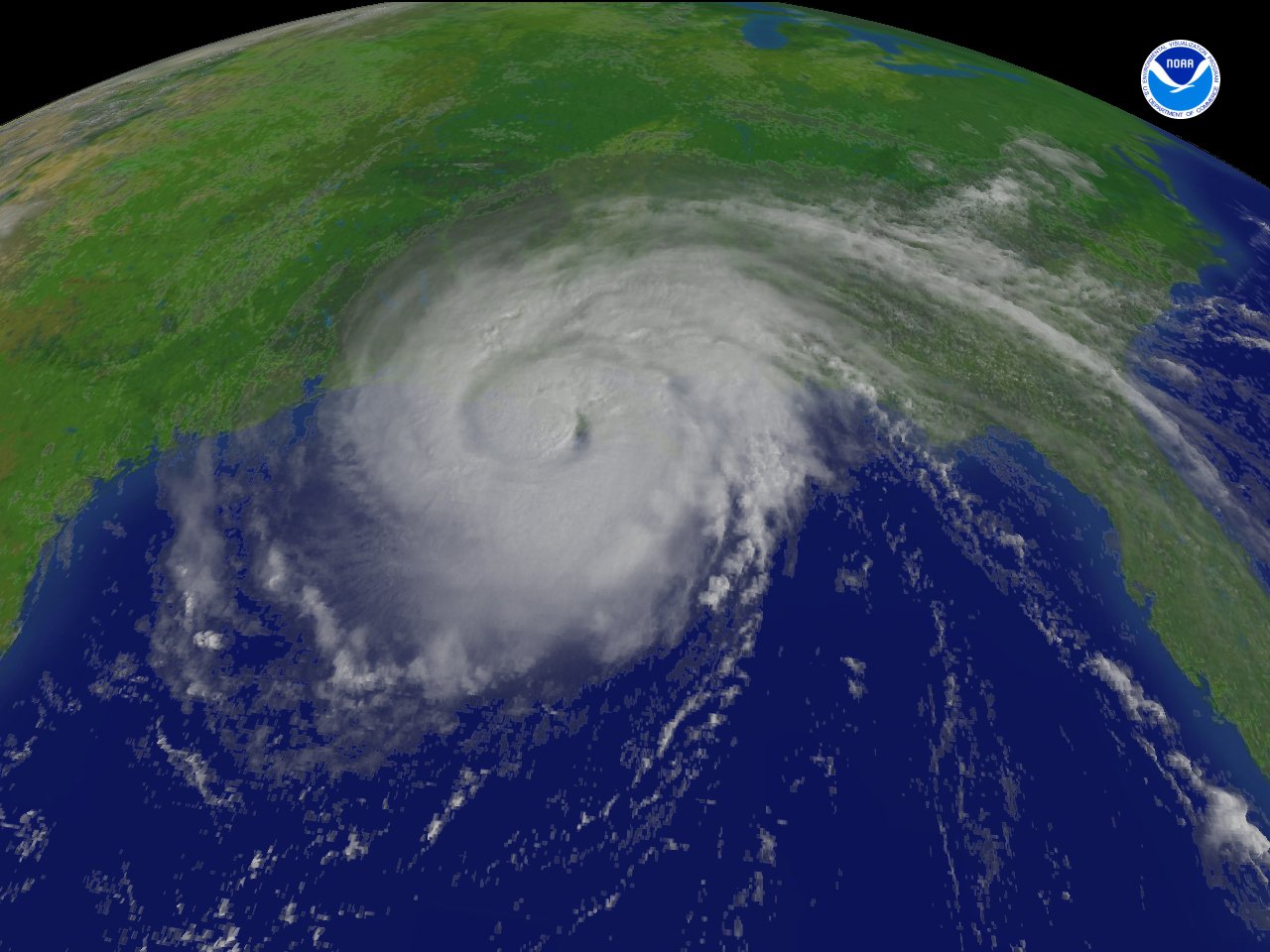
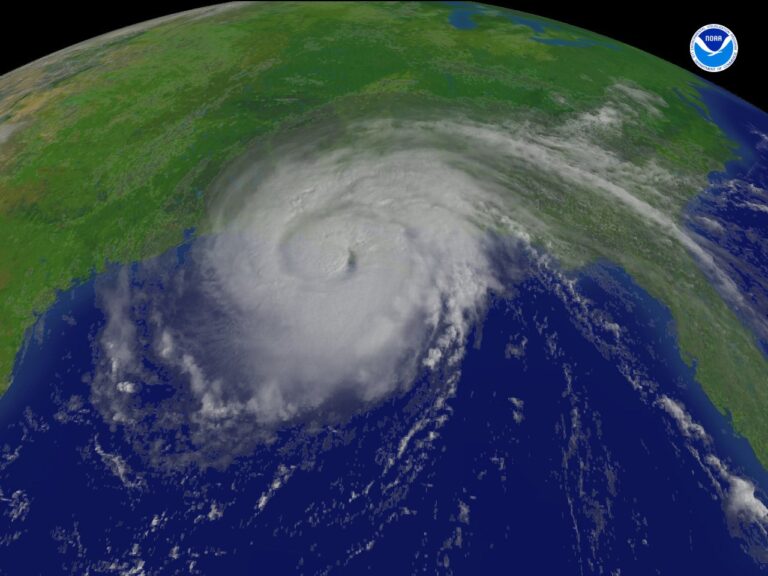
Hurricane Isaias is closing in on the northern Gulf Coast, where evacuation orders are in place and oil companies have shut in a large share of Gulf of Mexico production. Forecasters expect the center to cross the coastline near Alabama or the Florida Panhandle, with landfall projected for Friday night or early Saturday.
In brief
- Forecasters expect the center to cross the coastline near Alabama or the Florida Panhandle, with landfall projected for Friday night or early Saturday.
- He said that mandatory or recommended evacuations covered parts of the Northern Gulf Coast, especially coastal Alabama, portions of Mississippi and the Florida Panhandle.
- During earlier outages at Gulf refineries, he said, fuel prices rose while crude prices fell, because idled plants neither buy crude nor supply fuel to consumers.
How strong is Isaias, and where is it heading?
The storm gathered strength quickly. In a Thursday evening interview on PBS NewsHour, the presenters noted that Isaias had jumped overnight from a tropical storm to a Category 2 hurricane, the first of the year in the Atlantic. NBC News also described a Category 2 hurricane and reported evacuation orders covering stretches of the Panhandle in Florida, along with neighboring Alabama.
Michael Brennan, who runs the National Hurricane Center, told PBS that the storm would keep moving northeast overnight before turning more toward the north. He said the center was expected to make landfall somewhere along the Alabama or Florida Panhandle coast, adding that the exact spot matters less than the impacts, which would stretch along the whole Northern Gulf Coast. He saw a small chance of further strengthening over water, possibly to near Category 3, followed by weakening as the storm neared land and a final approach as a Category 1 or 2.
Later reporting painted a stronger picture. CNBC, citing the National Hurricane Center, described Isaias as a Category 3 hurricane whose top sustained winds reached 120 mph, moving toward Mississippi, Alabama and the Florida Panhandle. Florida Governor Ron DeSantis had already told PBS that officials were taking the storm very seriously and planning around the possibility that it would hit as “a probably lower-end category 3”. Because outlets report different categories, readers should check the National Hurricane Center for the latest classification.
Hazards that do not depend on the category
Brennan urged viewers not to fixate on the number. In his view, the main hazards were already set whatever intensity the storm had at landfall: significant storm surge, heavy rainfall, flooding, and strong winds pushing inland across southern states, with outages that could last a long time. Forecasters had also flagged damaging winds and the possibility of tornadoes.
He said that mandatory or recommended evacuations covered parts of the Northern Gulf Coast, especially coastal Alabama, portions of Mississippi and the Florida Panhandle. Satellite images showed conditions already spreading well ahead of the storm, so people would not have the entire next day to get ready.
“If you’ve been ordered to evacuate, you need to go ahead and do that right away.”
Michael Brennan, Director, National Hurricane Center
Gulf oil output and the refineries in the path
The energy industry has already reacted. By Thursday, operators had halted around 1.3 million barrels a day, about 63% of what the country produces across the Gulf, based on data from the Bureau of Safety and Environmental Enforcement reported by CNBC.
On land, the picture is more mixed. The storm seemed to be bending away from the concentration of refineries around New Orleans and Baton Rouge in southern Louisiana. Two plants nonetheless lie in areas under hurricane warnings, and CNBC says the storm could limit about 2% of U.S. refining capacity.
| Facility | Location | Situation |
|---|---|---|
| Chevron refinery | Pascagoula, Mississippi | Under a hurricane warning; spokesperson Ross Allen said on Thursday that it remained operational |
| Vertex Energy refinery | Saraland, Alabama | Under a hurricane warning; company officials were not immediately available for comment |
Andy Lipow, president of Lipow Oil Associates, said the two plants can together produce 466,000 barrels per day, equal to 2.4% of the country’s refining capacity. In a Friday note he pointed to “a loss of electricity or flooding damage” as the biggest risk for both sites.
What a refinery outage could mean for fuel
According to Lipow, a shutdown that caused no physical damage would still take one to two weeks to recover from. Gulf Coast plants currently operate at 95% of capacity, which leaves no slack to make up for lost output. He also noted that diesel supplies are at the lowest seasonal level in the records of the Energy Information Administration, which begin in 1982, so any lost refining capacity matters more than usual.
Lipow also warned about shipping. Delays are likely both for tankers bringing crude to the refineries and for those waiting to load gasoline, jet fuel and diesel, and he expects Florida to wait longer for deliveries of those fuels.
Kevin Book of ClearView Energy Partners, where he is managing director, offered historical context on CNBC’s Squawk Box. During earlier outages at Gulf refineries, he said, fuel prices rose while crude prices fell, because idled plants neither buy crude nor supply fuel to consumers.