

Engineered Bacteria ‘Detect Hidden Threat’: Microplastics in Water Spark Urgent Global Alert: Can We Reverse the Damage?
 By
Priya Venkataraman
By
Priya Venkataraman
| IN A NUTSHELL |
|
Microplastics have become a pervasive environmental issue, contaminating waterways worldwide. These tiny plastic particles, defined as being less than 5 millimeters in diameter, originate from various sources including degraded plastic waste, microbeads in products like toothpaste, synthetic clothing fibers, and even car tires. The challenge lies not only in their widespread presence but also in their invisibility to the naked eye, complicating detection and removal efforts. Traditional detection methods like Raman or infrared spectroscopy are often too labor-intensive for widespread use. Researchers have now developed a novel solution: engineered bacteria that glow green in the presence of microplastics, offering a quicker and more efficient means of detection.
The Ubiquity of Microplastics
Microplastics are found in virtually every corner of the globe, from the depths of the oceans to the highest mountains. They originate from a wide array of sources. Large plastic debris, once discarded into the environment, gradually breaks down into smaller fragments due to physical, chemical, and biological processes. Products such as toothpaste and facial scrubs contain microbeads, which are washed down drains and enter waterways. Synthetic textiles release fibers during washing, which find their way into water systems. Even the wear and tear of car tires contribute to microplastic pollution, as bits of rubber enter storm sewers and eventually, larger bodies of water. This widespread distribution poses a significant challenge for environmentalists and health experts alike.
The potential health risks associated with microplastics are still being researched. While there is evidence that these tiny particles can carry harmful bacteria, the long-term effects of ingesting microplastics remain uncertain. What is clear, however, is the urgent need for effective detection methods that can facilitate cleanup and mitigate potential harm to ecosystems and human health.
Innovative Bacterial Detection Method
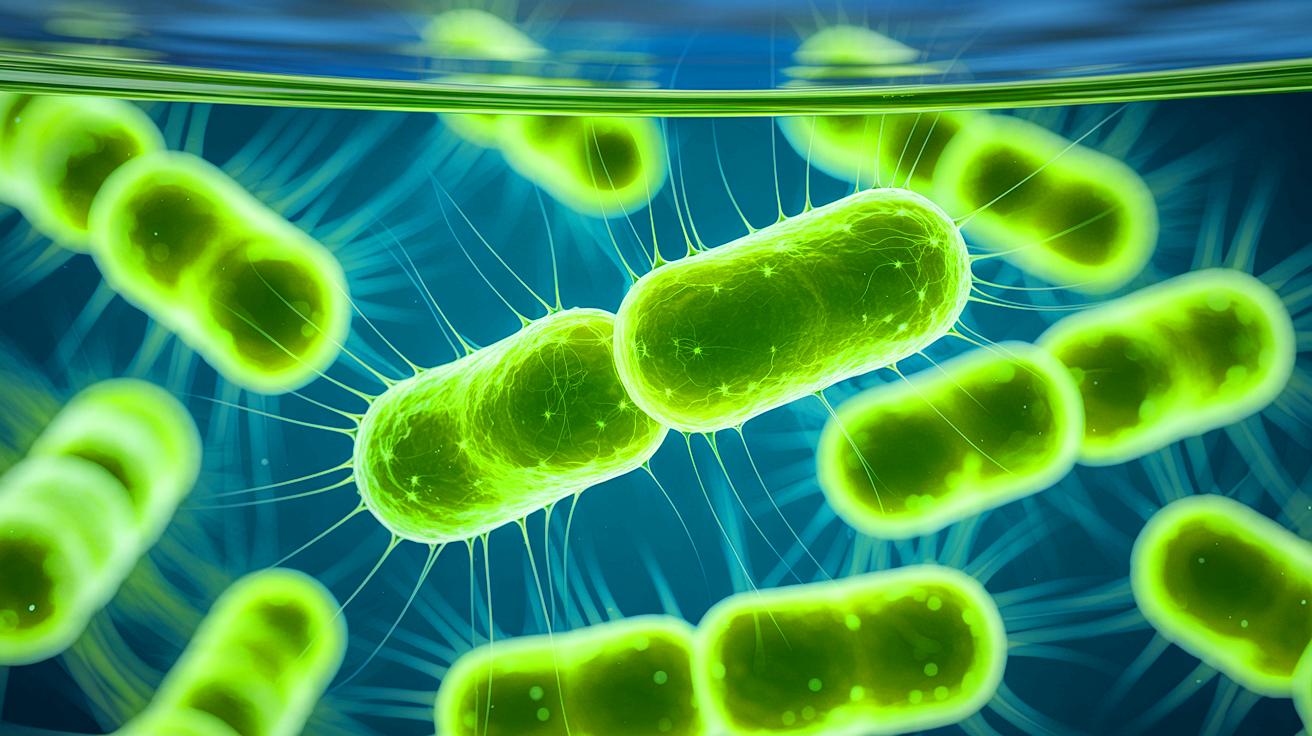
A team of researchers from Hong Kong Polytechnic University, led by Prof. Song Lin Chua, has pioneered a groundbreaking method to detect microplastics using engineered bacteria. These bacteria, a non-infectious strain of Pseudomonas aeruginosa, have been genetically modified with two additional genes. The first gene produces a protein that activates upon contact with plastic, while the second gene causes the bacteria to fluoresce green in response. This genetic modification allows for the rapid detection of microplastics, making the bacteria glow within three hours of exposure.
This novel method offers several advantages over traditional detection techniques. The bacteria are not only fast-acting but also versatile, capable of detecting various types of plastics. Furthermore, they remain viable for up to three days when stored at a temperature of 39 ºF, making them practical for field use. As Prof. Chua notes,
“Our biosensor offers a fast, affordable and sensitive way to detect microplastics in environmental samples within hours.”
Potential Applications and Implications
The development of this bacterial detection method has significant implications for environmental monitoring and public health. By providing a rapid screening tool, it enables large-scale monitoring efforts, potentially transforming how pollution hotspots are identified and addressed. This could lead to more targeted cleanup efforts and better allocation of resources in combating microplastic pollution.
The ability to quickly detect microplastics also opens up new avenues for research into the environmental and health impacts of these particles. With a more efficient detection method, scientists can conduct more comprehensive studies on the distribution and effects of microplastics, potentially unveiling new insights into their role in ecosystem dynamics and human health risks. The engineered bacteria could, therefore, play a crucial role in shaping future environmental policies and strategies.
Challenges and Future Directions
While the engineered bacteria provide a promising solution, there are challenges and considerations that must be addressed. The deployment of genetically modified organisms in natural environments raises ecological and ethical questions. Ensuring that the bacteria do not adversely affect local ecosystems is essential. Additionally, further research is needed to optimize the bacteria’s functionality and stability in diverse environmental conditions.
Looking ahead, the integration of this technology with other detection and cleanup methods could enhance its effectiveness. Collaborative efforts between scientists, policymakers, and industry stakeholders will be vital in scaling up the application of this technology. As the world grapples with the growing threat of microplastics, innovative solutions like this one offer hope for a cleaner, healthier future.
The development of engineered bacteria to detect microplastics marks a significant step forward in addressing a global environmental challenge. However, as with any new technology, its success will depend on careful implementation and ongoing research. How can society best leverage such innovations to combat pollution while safeguarding both human and ecological health?