

Close Menu
  • Top Stories
  • News
  • Entertainment
  • Health
  • Home
  • Money
  • Sports
  • Tech
  • Transportation
  • Travel
  • About us
  • Advertising
  • Contact
Trending
How turboprops help reduce airport congestion
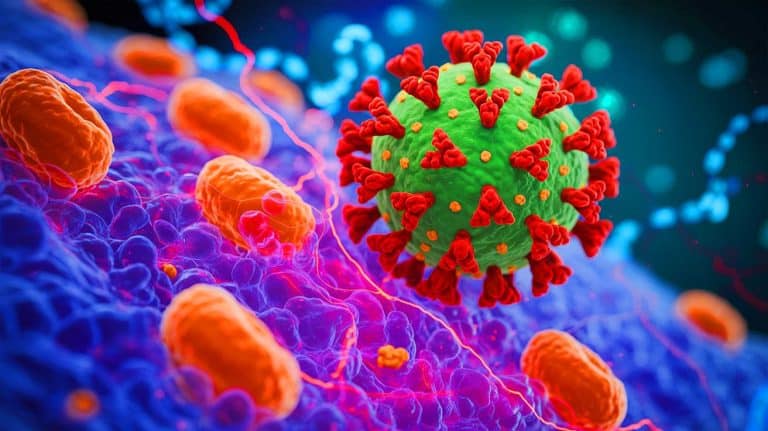
Illustration of the flu virus engaging in cellular invasion as observed through advanced ViViD-AFM microscopy.
Microscope Breakthrough Unveils Real-Time Flu Virus Invasion, Offering New Insights Into Disease Prevention and Control
Illustration of a microneedle-based sensor assessing fish freshness.
New Sensor Revolutionizes Fish Freshness Checks with Microneedles, Enhancing Safety and Trust in Seafood Consumption
Facebook X (Twitter) RSS
Fylladey
Facebook X (Twitter) RSS
  • Entertainment
  • Health
  • Home
  • Money
  • News
  • Sports
  • Tech
  • Top Stories
  • Transportation
  • Travel
Fylladey

Experts Warn: Caffeine in Coffee ‘Dramatically Lowers’ Blood Quality—Is Your Morning Cup Worth the Risk?

A groundbreaking study from the University of Colorado Anschutz Medical Campus reveals that caffeine consumption may undermine the quality of donated blood, potentially affecting the effectiveness of transfusions and prompting a reevaluation of blood donation guidelines.
Noah BennettBy Noah Bennett09/14/202515
Share Twitter Facebook LinkedIn WhatsApp Email Copy Link
Follow Us
Google News
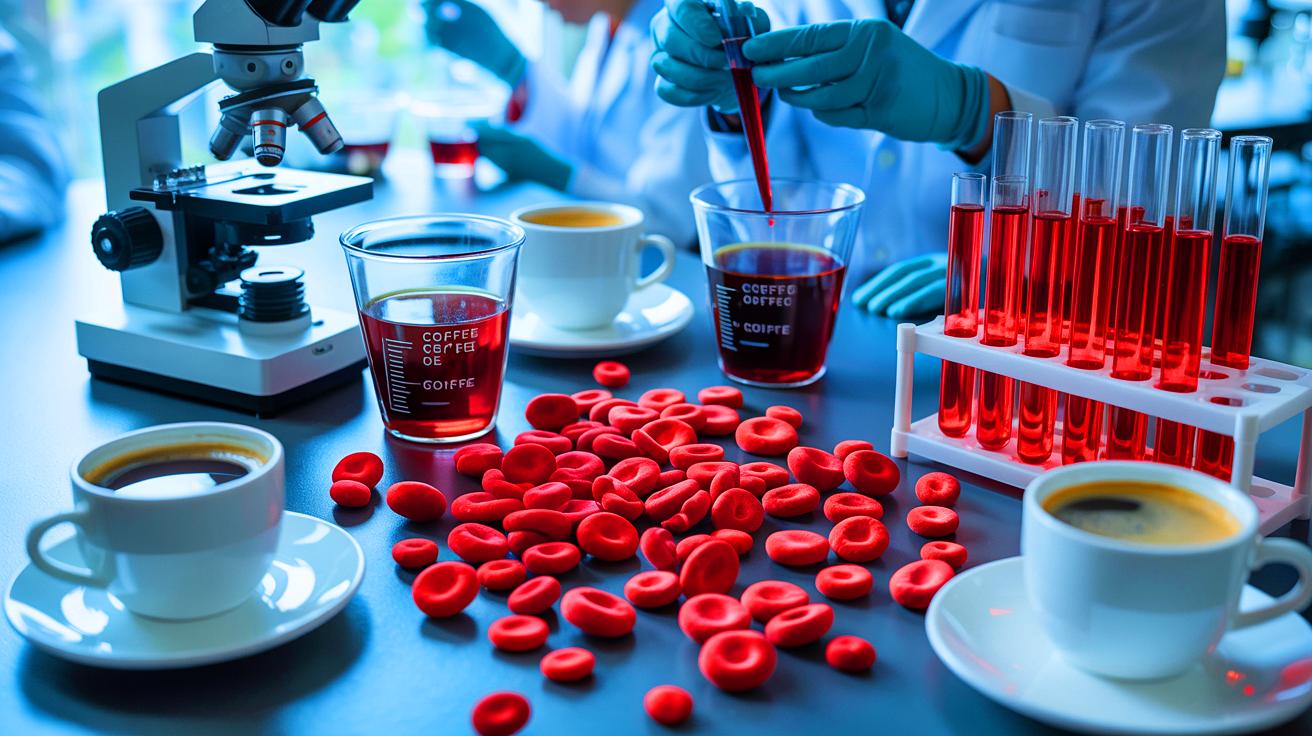
Illustration of caffeine's impact on red blood cell quality in blood transfusions.
Share
Twitter Facebook LinkedIn WhatsApp Email Copy Link
IN A NUTSHELL
  • ☕ A study from the University of Colorado suggests that caffeine may reduce the quality of donated blood.
  • 🔬 Researchers found that caffeine affects red blood cell metabolism, leading to increased fragility and oxidative damage.
  • 🇪🇺 Some European countries already advise donors to limit caffeine intake before giving blood, aligning with the study’s findings.
  • 🧬 The study highlights the potential for precision medicine approaches to improve transfusion outcomes by matching donor lifestyle and genetics with recipient needs.

The daily ritual of enjoying a cup of coffee is cherished by millions worldwide. However, a recent study has unveiled a surprising impact of caffeine on blood transfusions, raising questions about the implications for blood donation practices. Conducted by the University of Colorado Anschutz Medical Campus, the research suggests that caffeine may compromise the quality of donated blood, potentially affecting the efficacy of transfusions. This revelation has prompted discussions among medical professionals and could influence future guidelines for blood donors. As caffeine is a common dietary component, understanding its effects on blood quality is essential for improving transfusion outcomes.

The Study: Exploring Caffeine’s Impact on Blood

The research team at the University of Colorado conducted an extensive analysis involving over 13,000 blood donors. Their findings indicate that caffeine, a stimulant consumed by approximately 75% of Americans daily, can impact red blood cell (RBC) biology. The study focused on how caffeine interacts with RBC metabolism, hemolysis, and transfusion results. Researchers discovered that caffeine presence in RBCs was consistent among frequent coffee drinkers, suggesting a correlation between caffeine consumption and blood quality.

Key to the study was the examination of caffeine’s role in RBC pathways, particularly the ADORA2b receptor and G6PD enzyme activity. These components are crucial for RBCs to function effectively under stress and low oxygen conditions. The research involved both human participants and mice genetically modified to lack the ADORA2b receptor. The results showed that caffeine exposure led to increased RBC fragility and oxidative damage, which impaired the cells’ ability to deliver oxygen efficiently.

The best sports for improving fitness levels

Understanding Red Blood Cells and Caffeine’s Role

Red blood cells play a vital role in the circulatory system by transporting oxygen from the lungs to tissues throughout the body. They lack a nucleus and mitochondria, relying on chemical fuel molecules like adenosine triphosphate (ATP) and 2,3-bisphosphoglycerate (2,3-BPG) for energy. The study found that caffeine consumption resulted in lower levels of these critical molecules, effectively draining RBCs’ “battery” and reducing their functionality.

Furthermore, the study highlighted that caffeine caused RBCs to become more fragile and susceptible to breaking under stress. This fragility, combined with reduced antioxidant protection, led to diminished post-transfusion recovery in patients receiving blood from high-caffeine donors. The implications are significant, particularly for high-risk patients who require optimal blood quality for effective treatment.

How technology is changing the landscape of sports

Potential Implications for Blood Donation Practices

The study’s findings have sparked discussions on how blood donation practices might adapt to these new insights. In several European countries, blood donors are already advised to limit caffeine intake before donating, aligning with the study’s recommendations. Given caffeine’s short biological half-life, temporary dietary modifications around the time of donation could mitigate its negative impact on RBC quality.

Professor Angelo D’Alessandro, the study’s corresponding author, emphasized the importance of considering donor lifestyle factors, such as caffeine habits, and genetic variations like ADORA2b. By adopting a precision medicine approach, blood banks could improve transfusion outcomes by matching donor characteristics with recipient needs. This strategy could be particularly beneficial for vulnerable patients, such as newborns and the critically ill, who require high-quality blood for successful treatment.

Study Warns: Diet Drinks During Pregnancy May Trigger 40% Higher Risk of Gestational Diabetes—What You Need to Know

Limitations and Future Directions

Despite its groundbreaking findings, the study has limitations that must be considered. The sample size for the metabolic test was small, with only eight volunteers participating. Additionally, the donor samples analyzed were approximately a decade old, and while storage methods remain consistent, demographics and habits may have evolved. Furthermore, RBC physiology in mice differs from humans, which may affect the applicability of the results.

Nonetheless, the study provides valuable insights into the potential impact of caffeine on blood quality and transfusion outcomes. It highlights the need for further research to explore the clinical implications and refine guidelines for blood donation. As the medical community continues to investigate, the question remains: how will these findings shape the future of blood donation and transfusion practices?

As we consider the implications of this study, it is clear that caffeine consumption could play a significant role in blood donation strategies. The potential to improve outcomes through tailored donor-recipient matches offers a promising avenue for enhancing patient care. As research progresses, medical professionals and policymakers must weigh the benefits of caffeine moderation against the convenience and cultural significance of coffee consumption. How will these factors influence the evolution of blood donation guidelines in the years to come?

This article is based on verified sources and supported by editorial technologies.
Blood Donation Innovation Dietary Research Public Health Policy
Follow on Google News Follow on X (Twitter)
Share. Twitter LinkedIn Facebook WhatsApp Email Copy Link
Previous ArticleEngineered Bacteria ‘Detect Hidden Threat’: Microplastics in Water Spark Urgent Global Alert—Can We Reverse the Damage?
Next Article Shock Study Reveals: Gestational Diabetes Raises ADHD and Autism Risk by 40% — But What’s the Real Impact?
Noah Bennett
  • X (Twitter)

Noah Bennett, a Los Angeles-based journalist for Fylladey.com, reports on technology, online culture, and the environment. Trained at UBC’s School of Journalism, his stories capture how digital tools and media trends are reshaping everyday experiences. Contact: [email protected]

A lire également
Illustration of the flu virus engaging in cellular invasion as observed through advanced ViViD-AFM microscopy.

Microscope Breakthrough Unveils Real-Time Flu Virus Invasion, Offering New Insights Into Disease Prevention and Control

Illustration of the interaction between human gut cells and newly discovered gut viruses.

“This Changes Everything”: Activating New Gut Viruses Reveals Untapped Health Secrets (And It’s Already Inside You)

Illustration of the impact of a father's COVID-19 infection on offspring anxiety through changes in sperm.

“This Changes Everything”: Father’s COVID Infection Secretly Impacts Your Child’s Anxiety (And It’s Closer Than You Think)

Illustration of calcium supplements and their role in bone health and dementia risk.

“Did They Lie About Calcium?”: Supplements Safe for Older Women, Don’t Increase Dementia Risk (It’s Not What You Think)

View 15 Comments
15 Comments
  1. marinavalkyrie7 on 09/14/2025 5:52 AM

    Is this just another excuse to give up coffee? 🙄 I don’t think so!

    Reply
  2. Emily_future on 09/14/2025 5:52 AM

    This is ridiculous! Are we seriously saying coffee is now a threat to blood donations? 😅

    Reply
  3. ben on 09/14/2025 6:30 AM

    Thank you for sharing this important information. I had no idea caffeine could affect blood donation quality.

    Reply
  4. Samantha_moon on 09/14/2025 6:38 AM

    Interesting study, but how do they define “blood quality”? Need more details!

    Reply
  5. nadiavenus on 09/14/2025 7:08 AM

    So, should I stop drinking coffee before donating blood? How long before?

    Reply
  6. john on 09/14/2025 7:23 AM

    Wow, I never thought my morning coffee could have such an impact. Thanks for sharing!

    Reply
  7. Olivermelody on 09/14/2025 7:46 AM

    As if I needed another reason to switch to decaf! 😅

    Reply
  8. Carolwicked on 09/14/2025 8:09 AM

    Can we trust the results if the donor samples are a decade old?

    Reply
  9. Jeremyelemental on 09/14/2025 8:26 AM

    This seems like a stretch. How much coffee are we talking about here?

    Reply
  10. nadia on 09/14/2025 8:53 AM

    So, no coffee before donating blood? This is going to be tough!

    Reply
  11. Alexander on 09/14/2025 9:03 AM

    I’m curious if this applies to all caffeinated beverages or just coffee?

    Reply
  12. oliver6 on 09/14/2025 9:38 AM

    Great article, but it seems like there’s a lot of assumptions here.

    Reply
  13. Ameliaevolution1 on 09/14/2025 9:43 AM

    Great article! It’s fascinating how caffeine can affect RBC metabolism.

    Reply
  14. celine6 on 09/14/2025 10:20 AM

    Looks like coffee isn’t just keeping me awake but also my blood cells on their toes! 🤔

    Reply
  15. Lukedizziness on 09/14/2025 10:25 AM

    Thank you for the informative piece! Didn’t know caffeine could affect blood cells like that.

    Reply
Leave A Reply Cancel Reply

Trending
How turboprops help reduce airport congestion
Illustration of the flu virus engaging in cellular invasion as observed through advanced ViViD-AFM microscopy.
Microscope Breakthrough Unveils Real-Time Flu Virus Invasion, Offering New Insights Into Disease Prevention and Control
Illustration of a microneedle-based sensor assessing fish freshness.
New Sensor Revolutionizes Fish Freshness Checks with Microneedles, Enhancing Safety and Trust in Seafood Consumption
News by category
  • Entertainment
  • Health
  • Home
  • Money
  • News
  • Sports
  • Tech
  • Top Stories
  • Transportation
  • Travel
Information
  • About us
  • Advertising
  • The editorial team
  • Contact
  • Legal Information
  • Privacy and Cookie Policy
About

Fylladey.com brings clarity to everyday complexity. Covering news, tech, health, finance, sports, travel, and more, the platform helps readers make sense of a fast-moving world. With insightful coverage and accessible content, it’s a daily guide to the topics that shape our lives, our choices, and our understanding of today.

Facebook X (Twitter)
Facebook X (Twitter) RSS
  • About us
  • Advertising
  • The editorial team
  • Contact
  • Legal Information
  • Privacy and Cookie Policy
© Fylladey.com. All rights reserved.

Type above and press Enter to search. Press Esc to cancel.