


Close Menu
  • Top Stories
  • News
  • Entertainment
  • Health
  • Home
  • Money
  • Sports
  • Tech
  • Transportation
  • Travel
  • About us
  • Advertising
  • Contact
Trending
How turboprops help reduce airport congestion
Illustration of the flu virus engaging in cellular invasion as observed through advanced ViViD-AFM microscopy.
Microscope Breakthrough Unveils Real-Time Flu Virus Invasion, Offering New Insights Into Disease Prevention and Control
Illustration of a microneedle-based sensor assessing fish freshness.
New Sensor Revolutionizes Fish Freshness Checks with Microneedles, Enhancing Safety and Trust in Seafood Consumption
Facebook X (Twitter) RSS
Fylladey
Facebook X (Twitter) RSS
  • Entertainment
  • Health
  • Home
  • Money
  • News
  • Sports
  • Tech
  • Top Stories
  • Transportation
  • Travel
Fylladey

Study Warns: Diet Drinks During Pregnancy May Trigger 40% Higher Risk of Gestational Diabetes—What You Need to Know

In a groundbreaking study, researchers have linked frequent consumption of diet beverages during pregnancy to an 88% increased risk of developing gestational diabetes, raising significant concerns about the health implications of artificial sweeteners for expectant mothers.
Gabriel CruzBy Gabriel Cruz09/10/202515
Share Twitter Facebook LinkedIn WhatsApp Email Copy Link
Follow Us
Google News
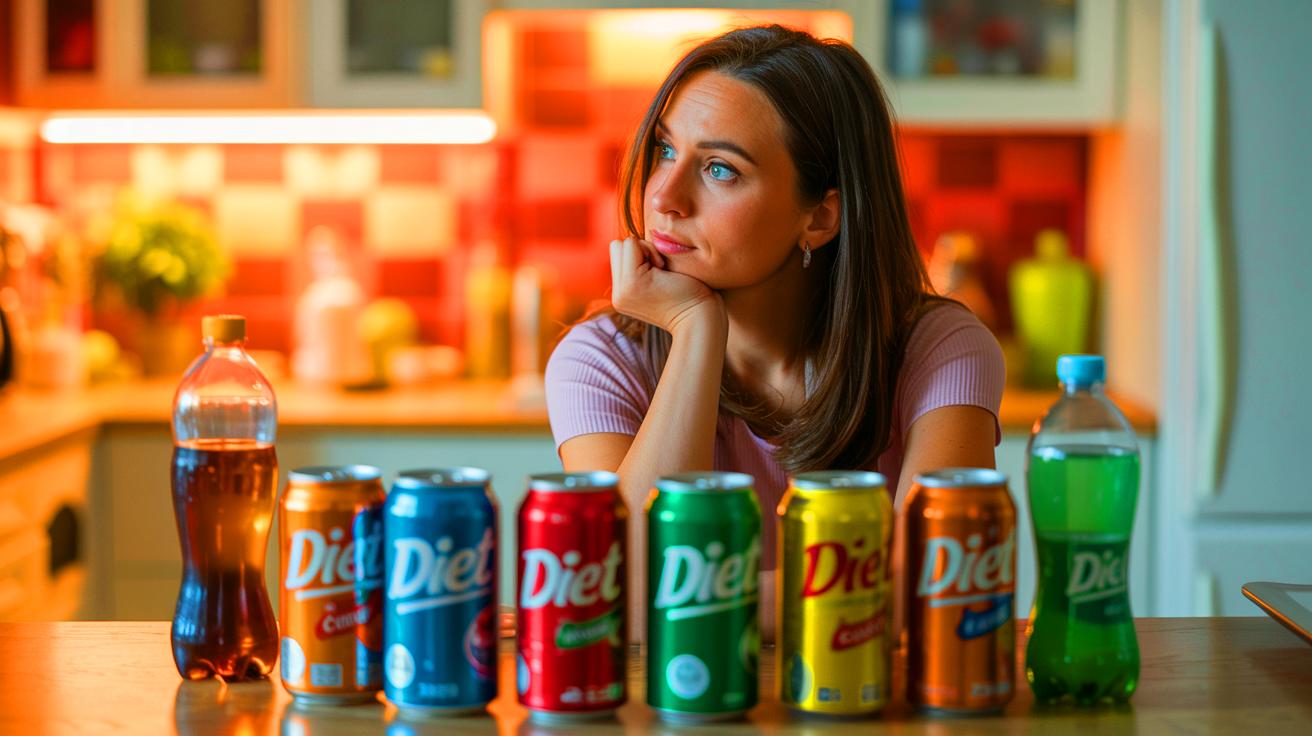
Illustration of the potential link between diet beverages and increased gestational diabetes risk during pregnancy.
Share
Twitter Facebook LinkedIn WhatsApp Email Copy Link
IN A NUTSHELL
  • 🧃 Researchers link frequent consumption of diet beverages during pregnancy to an 88% higher risk of gestational diabetes.
  • 📊 Study from the University of Adelaide analyzed data from 3,653 women to examine the effects of artificial sweeteners.
  • 📉 Findings suggest a dose-response relationship, with greater intake of ASBs increasing the risk of gestational diabetes.
  • 🔍 Limitations include self-reported data and focus on diet sodas and cordials, prompting further research needs.

In a significant new study, researchers have uncovered a potential link between the consumption of diet beverages during pregnancy and an increased risk of gestational diabetes mellitus (GDM). GDM is a condition characterized by elevated blood sugar levels during pregnancy, posing potential health risks for both mother and child. This condition affects approximately 14% of pregnant women globally and, while it typically resolves post-pregnancy, can increase the likelihood of developing type 2 diabetes later in life. The research, conducted by the University of Adelaide, examined the impact of artificially sweetened beverages (ASBs) on pregnant women, revealing concerning implications for those who regularly consume these drinks.

Understanding Gestational Diabetes and Its Impacts

Gestational diabetes mellitus (GDM) is a temporary form of diabetes that occurs during pregnancy. It results in higher-than-normal blood sugar levels, which can lead to complications for both mother and child. Women with GDM are at risk of delivering larger babies, which can complicate childbirth and increase the likelihood of a cesarean section. Moreover, GDM increases the mother’s chances of developing type 2 diabetes later in life. The condition is diagnosed during pregnancy, usually around the 24th to 28th week, through an oral glucose tolerance test.

While GDM typically resolves after childbirth, its implications can extend beyond pregnancy. Children born to mothers with GDM are at a higher risk of developing obesity and type 2 diabetes themselves. The condition’s prevalence underscores the importance of understanding its causes and risk factors. The University of Adelaide’s study contributes significant insights into these areas, particularly concerning the consumption of diet beverages.

“Glutamine Saves 100,000 Eyes!” : New Study Reveals Potential Groundbreaking Protection Against Vision Loss with Amino Acid

The University of Adelaide’s Groundbreaking Study

The University of Adelaide conducted a comprehensive study to explore the effects of artificially sweetened beverages (ASBs) on pregnancy outcomes. The research team analyzed data from the Australian Longitudinal Study on Women’s Health, involving over 57,000 women. From this extensive pool, a sample of 3,653 women was selected to investigate the association between ASB consumption and gestational diabetes. The study categorized ASB intake into four levels: no or rare consumption, mild, moderate, and frequent (five or more drinks per week). Advanced statistical models helped adjust for confounding factors such as age, BMI, smoking habits, and family medical history.

The findings revealed a stark dose-response relationship. Women who frequently consumed ASBs during pregnancy faced an 88% higher risk of developing GDM compared to those with rare or no intake. The study also suggested that higher BMI among frequent ASB consumers might partly explain this increased risk. Although the study noted a possible link between ASBs and hypertensive disorders of pregnancy, the evidence was not statistically definitive. Importantly, no clear connection was found between ASB consumption and preterm birth.

Doctors Stunned by “Revolutionary” Diets That Slash Type 2 Diabetes Risk by 60%—Big Pharma in Crisis

Implications and Limitations of the Research

The more diet drinks consumed, the greater the risk of gestational diabetes.

Despite its significant findings, the study is not without limitations. The reliance on self-reported data for ASB consumption introduces potential inaccuracies. Participants’ beverage habits may have changed during pregnancy, which was not tracked over time. Furthermore, the study focused solely on diet sodas and cordials, potentially underestimating the risk associated with artificial sweeteners found in other foods. Different types of artificial sweeteners, such as aspartame and sucralose, may have varied health effects, yet this was not assessed separately.

Scientists Claim “Miracle Molecules” from Gut Bacteria Could Revolutionize Hormone Therapy and Transform Lives of Millions in the US

As an observational study, it cannot definitively establish causation between ASB consumption and GDM. Nonetheless, the research provides valuable insights that could influence dietary recommendations for women planning to conceive or currently pregnant. The study’s publication in the journal Diabetes Research and Clinical Practice underscores its importance to the medical community.

Future Directions and Public Health Considerations

The University of Adelaide’s study highlights the need for further research to clarify the health impacts of artificial sweeteners during pregnancy. Randomized controlled trials could provide more definitive answers about whether specific sweeteners or diet drinks in general are responsible for the increased risk of gestational diabetes. The study’s findings could potentially lead to revised dietary guidelines for pregnant women, encouraging them to limit their intake of diet beverages.

Public health campaigns may also benefit from these insights, promoting awareness around the potential risks of ASBs during pregnancy. As women increasingly turn to low-calorie sweeteners as a strategy for managing weight, understanding the full scope of their health implications becomes crucial. This raises important questions about the long-term safety of artificial sweeteners, particularly for vulnerable populations such as pregnant women.

As researchers continue to explore the complex relationship between diet and pregnancy health, the question remains: How can we better support expectant mothers in making informed dietary choices that prioritize both their health and that of their unborn children?

This article is based on verified sources and supported by editorial technologies.
Dietary Research Nutrition Public Health Policy
Follow on Google News Follow on X (Twitter)
Share. Twitter LinkedIn Facebook WhatsApp Email Copy Link
Previous ArticleRevolutionary 3-Engine Underwater Jetpack Unleashes Thrilling Speeds: ‘We Made It Fly Underwater,’ Innovators Declare
Next Article Revolutionary $3,000 Electric Outboard Motor: ‘It’s as Light as Air’ But at What Cost to Boating Industry?
Gabriel Cruz
  • X (Twitter)

Gabriel Cruz has spent five years reporting for Fylladey.com, where he focuses on justice, policy, and international affairs. A graduate of City, University of London, he weaves together investigative work and global context to spotlight the issues behind the headlines. Contact: [email protected]

A lire également
Illustration of the flu virus engaging in cellular invasion as observed through advanced ViViD-AFM microscopy.

Microscope Breakthrough Unveils Real-Time Flu Virus Invasion, Offering New Insights Into Disease Prevention and Control

Illustration of the interaction between human gut cells and newly discovered gut viruses.

“This Changes Everything”: Activating New Gut Viruses Reveals Untapped Health Secrets (And It’s Already Inside You)

Illustration of the impact of a father's COVID-19 infection on offspring anxiety through changes in sperm.

“This Changes Everything”: Father’s COVID Infection Secretly Impacts Your Child’s Anxiety (And It’s Closer Than You Think)

Illustration of calcium supplements and their role in bone health and dementia risk.

“Did They Lie About Calcium?”: Supplements Safe for Older Women, Don’t Increase Dementia Risk (It’s Not What You Think)

View 15 Comments
15 Comments
  1. Alexander on 09/10/2025 5:53 AM

    Wow, 88% higher risk? That’s pretty scary. Thanks for the heads up!

    Reply
  2. jeremy on 09/10/2025 5:54 AM

    Wow, a 40% increase in risk sounds scary! 😱 Should we just avoid diet drinks altogether during pregnancy?

    Reply
  3. emilia on 09/10/2025 6:30 AM

    Isn’t gestational diabetes more linked to genetics than diet? 🤔

    Reply
  4. peter_rainbow on 09/10/2025 6:38 AM

    Is this just for sodas, or do all diet drinks pose a risk?

    Reply
  5. matilda on 09/10/2025 7:08 AM

    Gr8 article! But are there safe alternatives to diet drinks during pregnancy?

    Reply
  6. Maxwarrior on 09/10/2025 7:23 AM

    Interesting study! I think more research is needed, though. Can we really trust self-reported data?

    Reply
  7. Omar on 09/10/2025 7:45 AM

    Thanks for sharing, but I think I’ll stick to my diet soda. Can’t live without it! 😂

    Reply
  8. Auroraconstellation on 09/10/2025 8:07 AM

    Thank you for this important information. I’ll definitely be more cautious now.

    Reply
  9. luke on 09/10/2025 8:24 AM

    This seems alarmist. How reliable is self-reported data anyway?

    Reply
  10. arnoldvortex on 09/10/2025 8:51 AM

    Wait, so are artificial sweeteners bad for everyone or just pregnant women?

    Reply
  11. Aurora on 09/10/2025 9:01 AM

    Does this mean I have to give up my favorite diet coke? 😭

    Reply
  12. Matildasphere on 09/10/2025 9:36 AM

    Why do they only focus on diet drinks? What about sugar-filled sodas?

    Reply
  13. sylvester8 on 09/10/2025 9:39 AM

    Thank you for the information, I had no idea about this risk!

    Reply
  14. Aurelia9 on 09/10/2025 10:16 AM

    If artificial sweeteners are so risky, why are they still allowed in drinks?

    Reply
  15. francis on 09/10/2025 10:21 AM

    I find it hard to believe that diet drinks are that harmful. 🤔

    Reply
Leave A Reply Cancel Reply

Trending
How turboprops help reduce airport congestion
Illustration of the flu virus engaging in cellular invasion as observed through advanced ViViD-AFM microscopy.
Microscope Breakthrough Unveils Real-Time Flu Virus Invasion, Offering New Insights Into Disease Prevention and Control
Illustration of a microneedle-based sensor assessing fish freshness.
New Sensor Revolutionizes Fish Freshness Checks with Microneedles, Enhancing Safety and Trust in Seafood Consumption
News by category
  • Entertainment
  • Health
  • Home
  • Money
  • News
  • Sports
  • Tech
  • Top Stories
  • Transportation
  • Travel
Information
  • About us
  • Advertising
  • The editorial team
  • Contact
  • Legal Information
  • Privacy and Cookie Policy
About

Fylladey.com brings clarity to everyday complexity. Covering news, tech, health, finance, sports, travel, and more, the platform helps readers make sense of a fast-moving world. With insightful coverage and accessible content, it’s a daily guide to the topics that shape our lives, our choices, and our understanding of today.

Facebook X (Twitter)
Facebook X (Twitter) RSS
  • About us
  • Advertising
  • The editorial team
  • Contact
  • Legal Information
  • Privacy and Cookie Policy
© Fylladey.com. All rights reserved.

Type above and press Enter to search. Press Esc to cancel.