



How turboprops help reduce airport congestion
 By
Noah Bennett
By
Noah Bennett
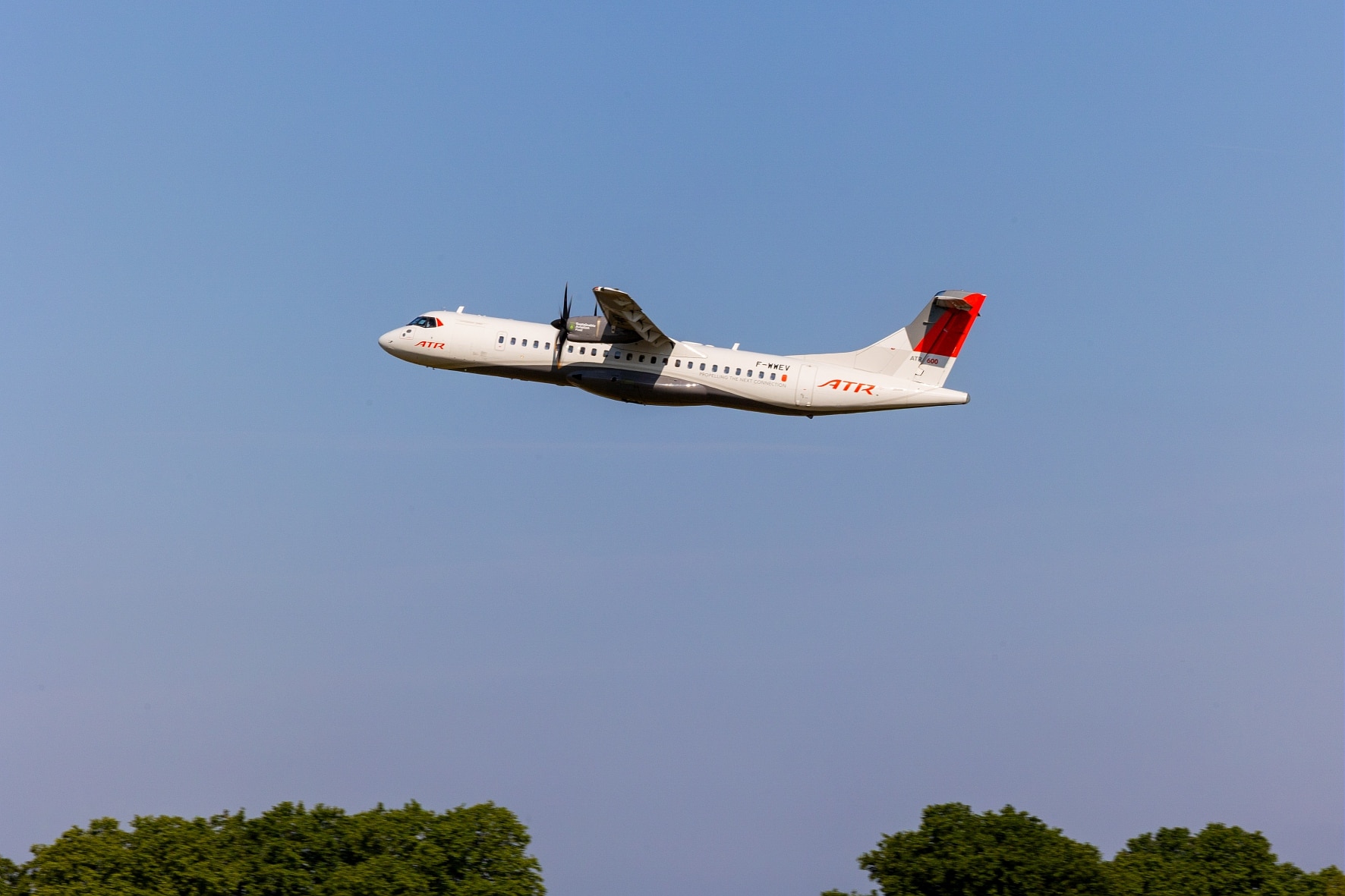
Airport congestion has become an increasingly complex challenge as global air traffic continues to expand. Many major airports operate close to capacity, with limited runway availability and tightly managed schedules. As passenger numbers grow, even minor disruptions can create cascading delays across entire networks. According to data from organizations such as ICAO, inefficiencies in airport operations can increase fuel consumption, extend travel times, and reduce overall system reliability.
Solving congestion is not only about expanding infrastructure. It also requires smarter operational strategies that make better use of existing resources. One of the most effective approaches involves aligning aircraft types with route demand and airport capabilities.
The Operational Advantages Of Turboprop Aircraft
Turboprop aircraft offer a set of characteristics that make them particularly effective in addressing congestion. Designed for short to medium-haul routes, they operate efficiently at lower altitudes and moderate speeds. Their propulsion system allows for optimized fuel use while maintaining strong performance on routes typically under 600 miles.
A key advantage lies in their ability to operate from shorter runways. This capability allows airlines to utilize secondary airports and regional airfields that are often underused. By shifting some traffic away from major hubs, turboprops help distribute air traffic more evenly across the network. This reduces pressure on congested airports while improving overall system efficiency.
Improving Runway And Slot Efficiency
Runway capacity is one of the most limited resources in aviation. When larger jet aircraft are used on routes with moderate demand, valuable slots may not be utilized efficiently. Turboprops provide a more precise match between aircraft capacity and passenger demand, helping optimize slot allocation.
Their operational profile also supports faster turnaround times. Boarding and disembarkation are generally quicker, which allows aircraft to return to service without long delays on the ground. This increases the number of aircraft movements that can be handled within the same time window, improving airport throughput without requiring physical expansion.
Air traffic management also benefits from turboprop operations. Their lower approach speeds allow for more flexible sequencing alongside jet aircraft. This can help reduce congestion during peak periods and improve scheduling consistency across the network.
Supporting A More Distributed Aviation Network
Turboprops play an important role in creating a more balanced aviation system. By enabling direct connections between smaller cities, they reduce reliance on hub-and-spoke models that concentrate traffic in a limited number of airports. This decentralization not only helps relieve congestion but also improves the passenger experience by reducing the need for connecting flights.
Manufacturers such as ATR have developed aircraft specifically designed to support this type of network flexibility. These aircraft can operate in remote or infrastructure-limited environments, expanding the range of destinations that airlines can serve. A closer look at modern ATR turboprop solutions highlights how they contribute to more efficient regional connectivity.
A Practical Solution For Modern Challenges
As air travel demand continues to evolve, improving efficiency without compromising connectivity remains a priority for the aviation industry. Turboprops offer a practical response by enabling better use of existing infrastructure and supporting more efficient traffic distribution.
In conclusion, turboprop aircraft provide meaningful benefits in reducing airport congestion. Their ability to optimize runway usage, support regional connectivity, and improve operational flow makes them an essential part of a more efficient and resilient aviation system.
Continue reading