

North Carolina A&T State University Opens Smart Intersection Test Facility in Greensboro
A sensor-equipped intersection in Greensboro gives North Carolina A&T State University researchers and students a real-world setting for studying traffic patterns, crash risks and pedestrian safety.
 By
Nolan Pierce
By
Nolan Pierce
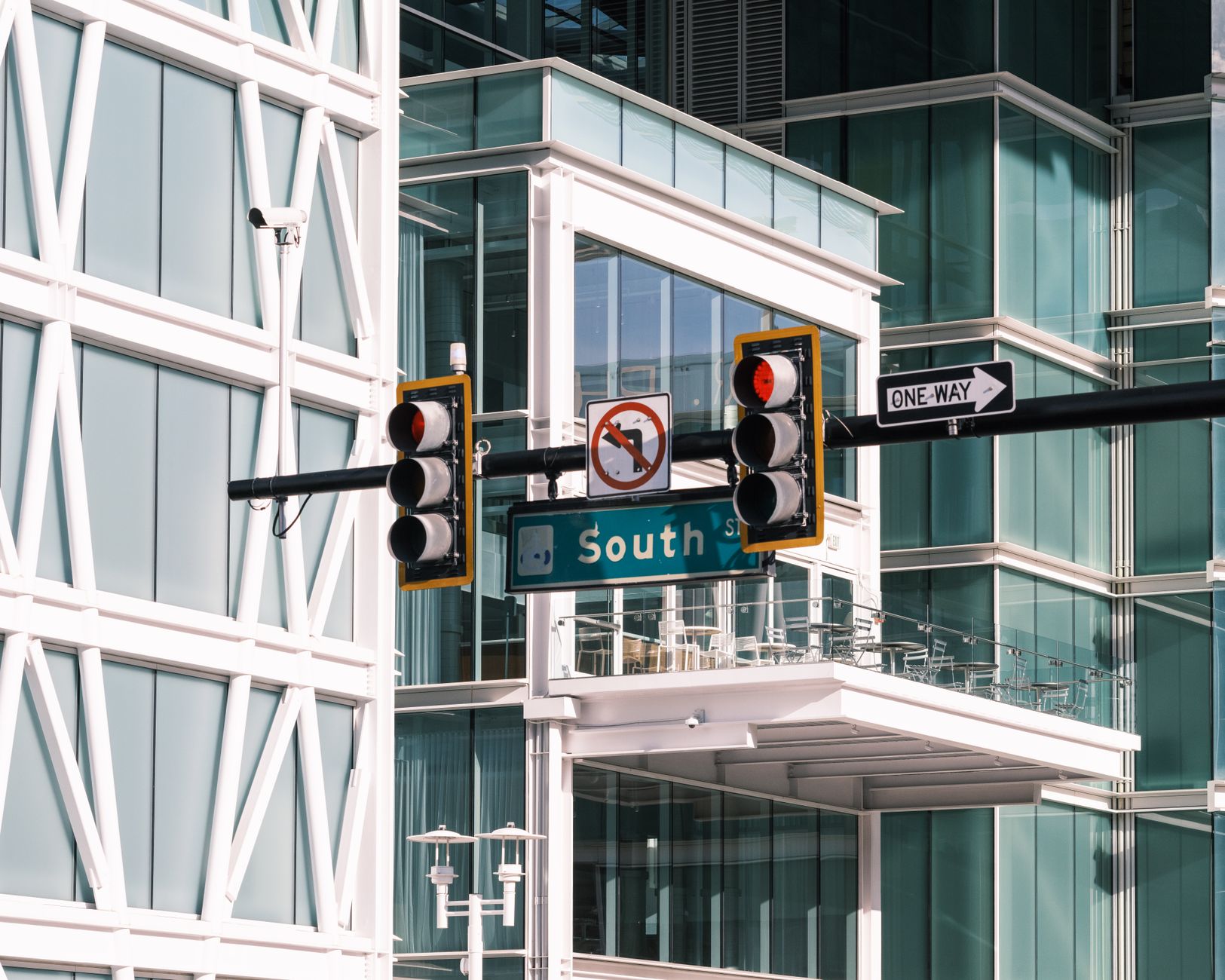
North Carolina A&T State University has opened a Smart Intersection Test Facility at East Market and Dudley streets in Greensboro, North Carolina. Equipped with LiDAR, radar and cameras, the intersection allows researchers and students to examine traffic activity under real-world conditions. The project is designed as a research environment for studying traffic patterns, crash risks and pedestrian safety, rather than as evidence that sensor-equipped intersections have already made roads safer.
The facility is a collaboration among North Carolina A&T State University, the City of Greensboro and the North Carolina Department of Transportation. According to WUNC’s report on the new test facility, the outdoor site functions as a living laboratory where emerging transportation technologies, including automated vehicles, can be tested in everyday street conditions.
A real intersection becomes a transportation laboratory
Unlike a closed test track or computer simulation, the Greensboro facility observes activity at an operating urban intersection. Vehicles, cyclists and pedestrians continue to move through the area while the installed sensors collect information about that movement. This setting gives researchers access to the complexity of actual street use, where several types of road users may approach or cross the intersection at the same time.
The project adds a live urban testing site to ongoing transportation safety and mobility research. Its location matters because the system can record events as they unfold under real traffic conditions. Researchers can then use those records to analyze movement through the intersection without relying solely on a reconstructed scenario.
Each sensing technology contributes a different form of information. Cameras provide visual records, while radar detects movement and LiDAR uses laser measurements to determine distances and create three-dimensional representations of the surrounding environment. Combining these inputs gives researchers more than one way to examine the path of a vehicle, cyclist or pedestrian.

This combination is also intended to address the limitations of relying on a single sensor. A camera, for example, can be affected by difficult lighting. Radar and LiDAR provide additional measurements that researchers can compare with the camera record. The facility therefore supports analysis based on several synchronized views of the same traffic activity.
Crash analysis focuses on trajectories and patterns
Real-time data from the intersection can be used to study traffic patterns, crashes and possible future communication between vehicles and road infrastructure. The available applications include traffic-flow analysis, crash-risk modeling and enhanced monitoring of pedestrian safety.
When a crash is recorded, researchers can review it from multiple angles and use LiDAR and radar measurements to reconstruct vehicle trajectories. That process can help them examine what occurred before and during an incident. Repeated observations may also reveal whether similar events share a pattern, although the existence of the facility alone does not establish a cause or prove that a particular intervention will prevent future crashes.
The distinction between observation and demonstrated safety improvement is important. The Smart Intersection Test Facility supplies data and a setting for testing ideas. The reported work does not establish that the intersection has reduced crashes, improved traffic flow or delivered faster passage for emergency vehicles. Those remain potential applications to be evaluated rather than measured outcomes announced with the opening.
The site also creates a way to examine the interaction of different road users. Sensors track pedestrians and cyclists as well as motor vehicles, making it possible to study their respective trajectories through the same intersection. This can support pedestrian-safety monitoring and crash-risk modeling without treating traffic as a stream composed only of cars.
Privacy protections limit the information collected
Continuous sensing at a public intersection raises an immediate question about what the system records. Researchers say the facility is designed to study movement and traffic events, not identify individual motorists. The system does not collect personal information such as license-plate numbers or driver identities, according to reporting on the sensors and privacy safeguards at the Greensboro intersection.
That design separates the research questions from personal identification. Investigators are interested in how a vehicle moved, how road users approached one another and what trajectory preceded an incident. They do not need a driver’s identity or a readable license plate to examine those physical patterns.
The facility also gives North Carolina A&T State University students opportunities to participate in research related to smart mobility, cybersecurity and artificial intelligence. Their work can take place at an outdoor site where sensing equipment, traffic behavior and transportation infrastructure operate together, rather than as isolated technical components.
Connected vehicles remain a research objective
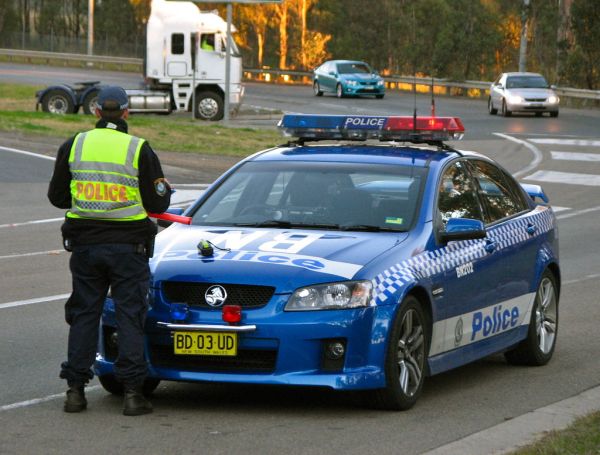
One area of study concerns communication between vehicles and intersections. Researchers are testing special onboard devices in certain vehicles, including police cars, to explore how a vehicle could exchange information with the instrumented intersection. The broader concept is that infrastructure and approaching vehicles might eventually share information relevant to hazards or traffic management.
That possibility should not be confused with an established service available to every driver. The supplied reporting describes direct communication among vehicles, intersections and other cars as a long-term goal. It does not show that all vehicles using East Market and Dudley streets can currently receive warnings from the intersection, or that such systems will necessarily be installed across North Carolina.
For the university and its public partners, the immediate value of the Greensboro site lies in its role as a test environment. Researchers can collect synchronized sensor data, inspect crash recordings, model risks and evaluate proposed technologies before decisions about broader use are made. The Smart Intersection Test Facility therefore represents new research capacity: a place to ask detailed questions about street movement and safety while keeping future benefits subject to evidence from the work conducted there.
Continue reading