


“Glutamine Saves 100,000 Eyes!”: New Study Reveals Potential Groundbreaking Protection Against Vision Loss with Amino Acid
 By
Gabriel Cruz
By
Gabriel Cruz
| IN A NUTSHELL |
|
In a groundbreaking study that challenges conventional wisdom about vision health, researchers have found that the amino acid glutamine plays a crucial role in maintaining the thickness and health of the retina. This discovery opens new pathways for potentially combating vision loss and blindness. Traditionally, vision health has been associated with vitamin-rich foods like carrots. However, this study suggests that glutamine, abundant in the blood and found in various foods, might hold the key to preserving eyesight. This revelation could reshape our understanding of nutritional impacts on eye health and offers hope for new treatments targeting retinal diseases.
The Vital Role of the Retina
The retina is a critical component of the eye, responsible for converting the light signals received through the cornea into electrical impulses. These impulses are then transmitted to the brain via the optic nerve. Within the brain, specifically in the visual cortex, these signals are translated into the images we recognize. The retina comprises specialized photoreceptor cells known as rods and cones.
These cells are energy-intensive, requiring substantial metabolic support to sustain their function and integrity. The gradual degeneration of these cells, whether through aging or disease, can lead to a thinning of the retina. This process often results in vision impairment and, potentially, blindness. Thus, maintaining healthy photoreceptors is essential for long-term vision health.
Exploring Glucose and Beyond
Historically, studies have primarily focused on glucose as the primary energy source for photoreceptor cells. For instance, the ACOORD Eye Study examined how strict management of glucose and blood pressure levels could impact retinopathy in individuals with type 2 diabetes. While glucose remains a critical component of cellular metabolism, researchers at the University of Michigan sought to explore alternative pathways.
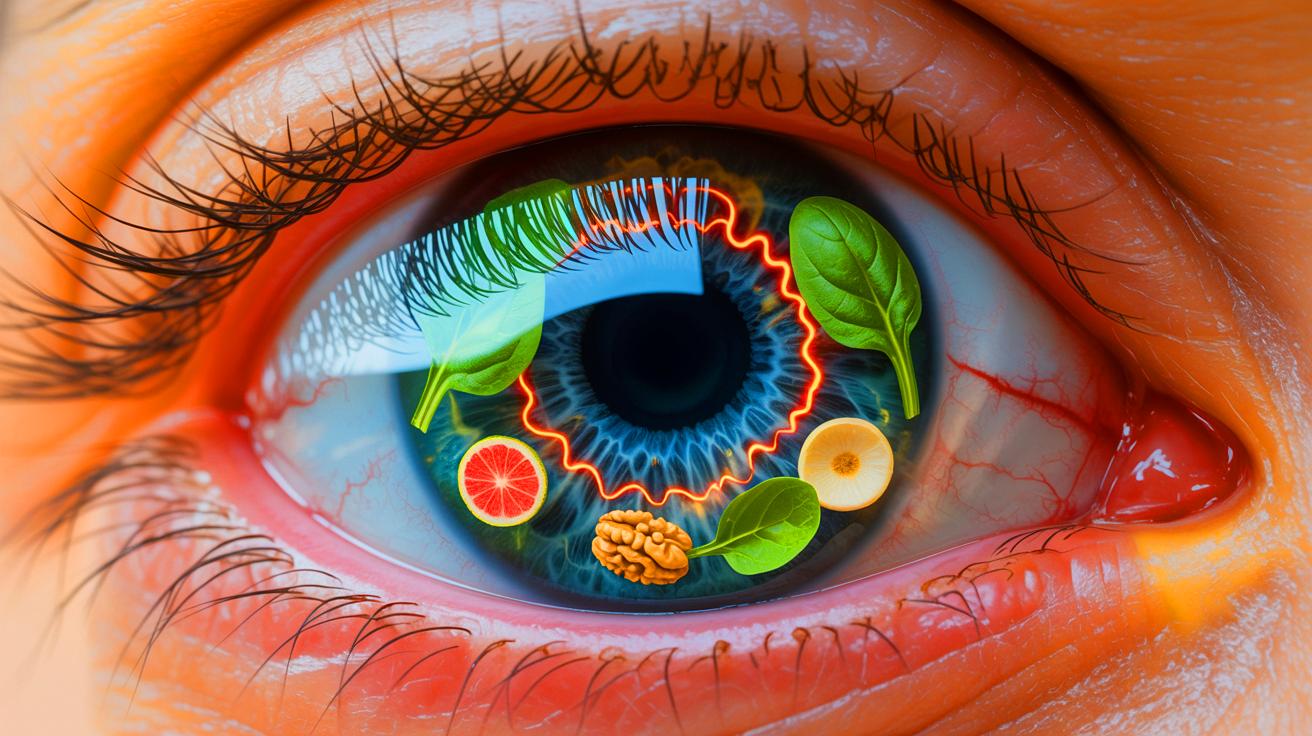
Given the high metabolic demands of retinal cells, the researchers hypothesized that other compounds might play an equally vital role. They turned their attention to glutamine, the most abundant amino acid in the bloodstream. Synthesized naturally within the body, glutamine is also readily available in various dietary sources, including animal proteins, nuts, grains, beans, and vegetables like spinach and cabbage.
Groundbreaking Research with Genetically Modified Mice
To investigate glutamine’s impact on vision health, researchers conducted experiments using genetically modified mice. These mice lacked the enzyme glutaminase, which is responsible for converting glutamine into glutamate, another amino acid and neurotransmitter. In comparison to a control group with intact glutaminase, the test mice exhibited rapid retinal thinning and a corresponding loss of photoreceptors.
The study uncovered two primary mechanisms through which reduced glutamate adversely affected retinal cells. Firstly, the limitation of glutaminase also reduced the levels of aspartate, an amino acid necessary for protein synthesis. This deficiency hindered the cells’ ability to function optimally. Secondly, the test mice experienced prolonged activation of the integrated stress response. This cellular process, when excessively activated, can lead to cell death, further compromising retinal health.
The Path Forward: Human Implications
The study’s findings hold significant promise for human applications. Researchers are now focusing on understanding the specific metabolic pathways dependent on glutamine. There is hope that these pathways can be targeted through pharmaceutical interventions or dietary supplements. According to study co-author Thomas Wubben, the conversion pathways from glutamine to glutamate are impaired in models of human retinal disease.
This revelation suggests that by resetting these metabolic pathways, it might be possible to prevent vision loss and blindness in humans. The potential to develop targeted therapies offers new hope for individuals at risk of retinal diseases. Researchers are optimistic about translating these findings from animal models to human treatments, paving the way for future breakthroughs in eye health.
As research continues to explore the role of glutamine in vision health, the implications for dietary recommendations and medical interventions are profound. Could this amino acid become a staple in future eye care regimens? The potential for glutamine to revolutionize how we approach vision preservation invites further investigation and discussion within the scientific community.
Continue reading