



“Angry Citizens Demand Action”: This New Electric Outboard Motor Sparks Government Tensions Over Environmental Concerns
 By
Gabriel Cruz
By
Gabriel Cruz
| IN A NUTSHELL |
|
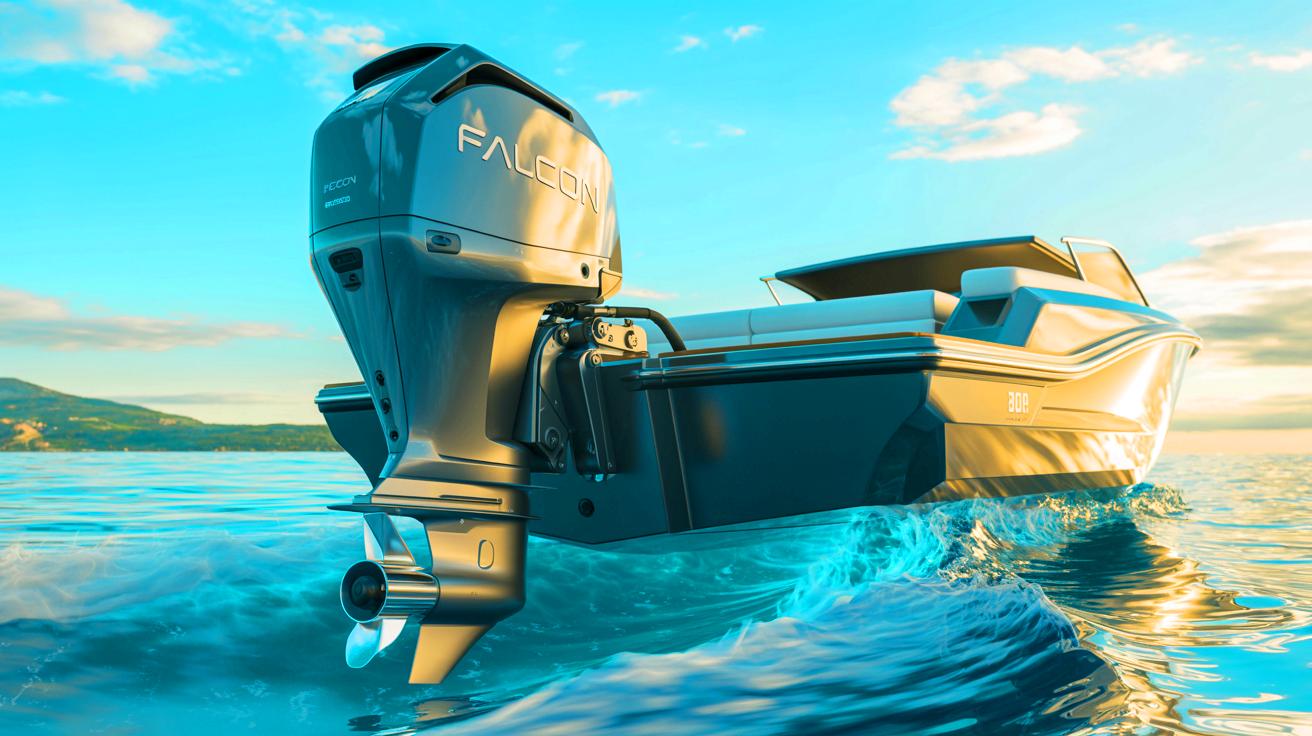
The introduction of the Falcon series by EPTechnologies marks a significant milestone in the marine industry. This new line of electric outboards is not only a testament to the prowess of axial-flux motor technology but also highlights the potential for electric propulsion in maritime applications. At the heart of the Falcon series is a lightweight, power-dense motor that promises enhanced performance and efficiency. While electric outboards have traditionally been seen as novelties or limited to short-distance applications, innovations like the Falcon are shifting perceptions and pushing boundaries.
The Rise of Electric Propulsion in Marine Technology
The transition from combustion engines to electric propulsion has been more pronounced in the automotive industry. However, marine applications are beginning to catch up, with companies like EPTechnologies leading the charge. The Falcon series exemplifies this shift, leveraging axial-flux motor topology to offer a sleek and streamlined design. This approach not only reduces weight but also maximizes the motor’s power density. By focusing on an electric-specific design, EPT has created an outboard that stands apart from traditional adaptations of combustion engine platforms.
Incorporating technologies from other electric marine propulsion systems allowed EPTechnologies to develop the Falcon from the ground up. This strategic decision ensured the outboard capitalizes on its axial-flux configuration, enhancing both maneuverability and handling. The result is a motor that is not only potent but also intelligently designed to meet the specific challenges of marine environments.
Comparative Power and Efficiency
When comparing electric outboards, power density and weight are critical factors. The Falcon 130, with its 130-kW (174-hp) motor, weighs only 60 pounds, yet rivals motors that are significantly heavier. This power-to-weight advantage is evident when comparing the Falcon to competitors like the Evoy Storm and Vision Marine 180E. While the Evoy Storm boasts greater power, its weight is substantially higher, impacting its efficiency and applicability in various marine contexts.
Moreover, the Falcon’s continuous and peak power outputs provide a robust performance profile, essential for activities such as water skiing or wakeboarding. The ability to deliver short bursts of up to 220-kW (295-hp) peak power further enhances its versatility and appeal to a wide range of boating enthusiasts.
Harley-Davidson Unveils $6,000 Sprint Motorcycle: “This Is a Game-Changer,” Claims Industry Expert
Innovative Design Features
One of the Falcon’s standout features is its rotating propeller design. Unlike traditional outboards that require the entire unit to move for steering, the Falcon’s propeller can rotate 360 degrees independently. This capability allows for precise maneuvering in tight waters, improving overall vessel control. Additionally, this design innovation reduces the wear and tear on internal components, potentially extending the outboard’s lifespan.
The streamlined design of the Falcon also contributes to its hydrodynamic efficiency. With a torpedo-shaped tail cone and a slimmed-down lower unit, the outboard minimizes drag, enhancing its performance and fuel efficiency. These design elements not only improve the Falcon’s operational capabilities but also position it as a forward-thinking solution in the electric marine propulsion market.
Future Prospects and Market Impact
EPTechnologies’ commitment to advancing electric marine propulsion is evident in its plans for the Falcon series. The upcoming Falcon 230 aims to rival the Evoy Storm in terms of power output, potentially redefining the benchmarks for electric outboards. This ambition underscores the competitive nature of the market and the drive for innovation among industry leaders.
Furthermore, EPT’s approach to battery design, focusing on lightweight and efficient options tailored to specific applications, highlights the company’s holistic view of electric propulsion systems. By developing custom-matched batteries, EPT ensures that its outboards deliver optimal performance in various maritime settings, from leisure yachts to rescue boats.
As the marine industry continues to evolve, the Falcon series by EPTechnologies exemplifies the potential of electric propulsion. By integrating advanced motor technology with innovative design features, the Falcon sets a new standard for what electric outboards can achieve. As more manufacturers embrace these technologies, the future of boating may see a significant shift towards sustainable, efficient, and high-performance electric solutions. The question remains: how will traditional manufacturers respond to these advancements, and what innovations will we see next in the realm of electric marine propulsion?