

Close Menu
  • Top Stories
  • News
  • Entertainment
  • Health
  • Home
  • Money
  • Sports
  • Tech
  • Transportation
  • Travel
  • About us
  • Advertising
  • Contact
Trending
How turboprops help reduce airport congestion
Illustration of the flu virus engaging in cellular invasion as observed through advanced ViViD-AFM microscopy.
Microscope Breakthrough Unveils Real-Time Flu Virus Invasion, Offering New Insights Into Disease Prevention and Control
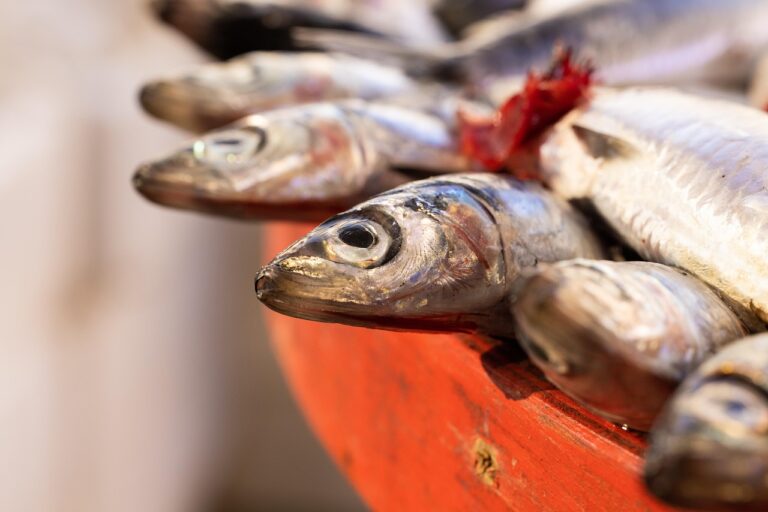
Illustration of a microneedle-based sensor assessing fish freshness.
New Sensor Revolutionizes Fish Freshness Checks with Microneedles, Enhancing Safety and Trust in Seafood Consumption
Facebook X (Twitter) RSS
Fylladey
Facebook X (Twitter) RSS
  • Entertainment
  • Health
  • Home
  • Money
  • News
  • Sports
  • Tech
  • Top Stories
  • Transportation
  • Travel
Fylladey

NASA’s 400-Degree Heat Fix for Juno Camera Sparks Outrage: Critics Slam “Reckless Gamble” While Supporters Hail “Ingenious Engineering Triumph”

NASA engineers have ingeniously revived the JunoCam on the Juno spacecraft, overcoming Jupiter's intense radiation belts with a novel thermal technique that demonstrates the agency's unparalleled problem-solving capabilities in space exploration.
Gabriel CruzBy Gabriel Cruz08/01/20258
Share Twitter Facebook LinkedIn WhatsApp Email Copy Link
Follow Us
Google News
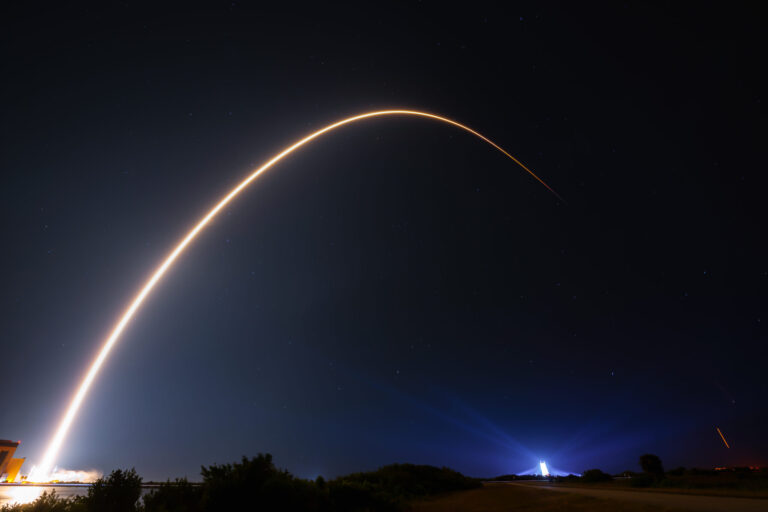
Illustration of NASA's Juno spacecraft using thermal techniques to repair the JunoCam amidst Jupiter's radiation belts.
Share
Twitter Facebook LinkedIn WhatsApp Email Copy Link
IN A NUTSHELL
  • 🚀 NASA engineers successfully repaired the JunoCam on the Juno spacecraft using an innovative thermal technique.
  • 🌌 The camera faced challenges due to Jupiter’s intense radiation belts, which threatened its electronic components.
  • 🔧 A thermal annealing method raised the camera’s temperature to counteract radiation damage, restoring image quality.
  • 🔍 Insights from this mission could enhance the radiation tolerance of future space missions and satellites.

NASA’s Juno mission has once again demonstrated the agency’s ingenuity and problem-solving prowess. By using a creative thermal technique, engineers successfully repaired the JunoCam, a crucial instrument on the spacecraft exploring Jupiter, despite the daunting challenge posed by the planet’s intense radiation belts. This innovative fix, akin to a high-tech “kick,” highlights NASA’s ability to address unforeseen issues in the harsh environment of space. The repair not only restored the camera’s functionality but also provided valuable insights for future missions. As the Juno mission continues, it offers a glimpse into NASA’s relentless pursuit of exploration and technological advancement.

Challenges of the Jovian System

Jupiter’s radiation belts present one of the most formidable challenges to spacecraft instrumentation. The radiation levels are intense enough to deliver a lethal dose to humans within hours. For electronics, the damage can be severe and irreversible. JunoCam, a key instrument aboard NASA’s Juno spacecraft, was designed to capture visible light images of Jupiter and its moons. However, the same radiation that illuminates the planet’s swirling clouds also poses a significant threat to the camera’s delicate electronics.

Encased in an armored assembly, JunoCam was initially protected from the worst of these harmful rays. Yet, as the spacecraft completed more orbits, the radiation began to degrade the camera’s performance. By the 56th orbit, images returned to Earth were corrupted, raising concerns about the instrument’s future viability. This situation demanded an innovative solution that could be executed remotely, given the vast distance between Juno and Earth.

“These Rebels Will Regret It”: Trump’s Explosive Lawsuit Against Defiant Public Broadcasting Directors Ignites Media Firestorm

Innovative Thermal Fix

The solution to JunoCam’s woes lay in an unexpected yet effective technique: thermal annealing. By using the spacecraft’s heaters to raise the camera’s internal temperature to 77 °F, NASA engineers aimed to alter the microstructure of the affected components. This method, akin to reversing the brittleness of metal through heat, showed promising results. However, the initial attempt only partially improved the image quality.

With the damage continuing to increase, a more aggressive approach was needed. Engineers decided to maximize the internal temperature, pushing the system to its limits as Juno approached Jupiter’s moon Io. This calculated risk paid off. As Juno flew within 930 miles of Io, the images captured by JunoCam were as sharp as those taken during its initial mission phase. This success was a testament to the power of creative problem-solving and the resilience of space technology.

“David Beats Goliath!”: This Exhausted Coder Triumphs Over AI Model in World Championship Showdown, Defying All Odds and Shocking the Tech World

Implications for Future Space Missions

Juno’s success in overcoming the challenges posed by Jupiter’s radiation belts has significant implications for future space missions. By demonstrating the effectiveness of thermal annealing, NASA has added a valuable tool to its arsenal for maintaining spacecraft health in hostile environments. This technique could prove beneficial not only for missions to Jupiter but also for satellites operating in Earth’s own radiation belts.

The insights gained from Juno are expected to inform the design and operation of both defense and commercial satellites. Enhancing the radiation tolerance of spacecraft is crucial for ensuring the longevity and reliability of space-based assets. As NASA continues to explore the solar system, the lessons learned from the Juno mission will undoubtedly influence the development of next-generation spacecraft capable of withstanding intense radiation.

“Witness the Future”: Humanoid Robot Adam Takes Center Stage at China’s Electrifying Music Festival, Shocking Thousands

Continued Exploration and Innovation

Juno’s journey is far from over, and NASA remains committed to pushing the boundaries of exploration and innovation. Despite the ongoing challenges posed by Jupiter’s radiation, the mission continues to provide valuable data about the planet and its moons. Each orbit brings new opportunities to learn and adapt, furthering our understanding of the Jovian system.

As the spacecraft endures additional radiation exposure, NASA is exploring ways to apply the thermal annealing technique to other systems aboard Juno. This proactive approach ensures that the mission can continue to deliver high-quality scientific data. Juno’s success underscores the importance of adaptability and resilience in space exploration, qualities that will be vital as humanity ventures further into the cosmos.

The Juno mission exemplifies NASA’s commitment to overcoming the challenges of space exploration through innovation and collaboration. As we look to the future, how will these lessons shape the design and operation of spacecraft destined for even more distant worlds?

This article is based on verified sources and supported by editorial technologies.
NASA Radiation Protection Space Exploration
Follow on Google News Follow on X (Twitter)
Share. Twitter LinkedIn Facebook WhatsApp Email Copy Link
Previous ArticleIs the 2025 Volvo XC90 Plug-In Hybrid a “Game Changer or Just Another Gimmick” 500 HP Powerhouse Sparks Intense Debate Among Eco-Warriors and Gearheads
Next Article Scientists Claim “Genetic Tampering” in Ancient Potatoes as New Study Unveils Shocking Hybridization Secrets That Could Affect Every American Dinner Table
Gabriel Cruz
  • X (Twitter)

Gabriel Cruz has spent five years reporting for Fylladey.com, where he focuses on justice, policy, and international affairs. A graduate of City, University of London, he weaves together investigative work and global context to spotlight the issues behind the headlines. Contact: [email protected]

A lire également
Illustration of a microneedle-based sensor assessing fish freshness.

New Sensor Revolutionizes Fish Freshness Checks with Microneedles, Enhancing Safety and Trust in Seafood Consumption

Illustration of a biodegradable, stretchable battery developed by McGill University researchers for sustainable energy solutions.

Biodegradable Battery Innovation: Stretchy, Eco-Friendly Design Reshapes Future of Sustainable Technology and Environmental Impact

Illustration of the Tacray MT1 multitool with an integrated flashlight designed for practical everyday use.

“Unbelievable Power”: This Tiny Multitool Shines 260 Lumens to Light Your Way (and It’s Already in Your Pocket)

Illustration of the Outask TD2 lantern showcasing its multifunctional design with telescopic and magnetic features.

“This Changes Everything”: Telescoping Magnetic Multi-Lamp Reveals Hidden Potential (and It’s Already in Your Home)

View 8 Comments
8 Comments
  1. Remydizziness on 08/01/2025 8:01 AM

    Wow, NASA always finds a way to surprise us! 🚀

    Reply
  2. Ines on 08/01/2025 8:40 AM

    Is it really safe to heat a camera to 400 degrees? Seems risky. 🤔

    Reply
  3. laura on 08/01/2025 9:19 AM

    Thank you, NASA, for continuing to push the boundaries of space exploration! 🌌

    Reply
  4. Chloe on 08/01/2025 9:59 AM

    This seems like a gamble. What if the camera got damaged even more?

    Reply
  5. Joel on 08/01/2025 10:37 AM

    400 degrees? That’s hotter than my coffee! ☕️

    Reply
  6. nicholas on 08/01/2025 11:16 AM

    How often can they use this thermal annealing trick before it stops working?

    Reply
  7. arnold on 08/01/2025 11:54 AM

    Jupiter’s radiation must be intense if it can damage electronics like that.

    Reply
  8. madisonperseverance on 08/01/2025 12:34 PM

    NASA’s engineers are geniuses! Kudos for the quick thinking. 👏

    Reply
Leave A Reply Cancel Reply

Trending
How turboprops help reduce airport congestion
Illustration of the flu virus engaging in cellular invasion as observed through advanced ViViD-AFM microscopy.
Microscope Breakthrough Unveils Real-Time Flu Virus Invasion, Offering New Insights Into Disease Prevention and Control
Illustration of a microneedle-based sensor assessing fish freshness.
New Sensor Revolutionizes Fish Freshness Checks with Microneedles, Enhancing Safety and Trust in Seafood Consumption
News by category
  • Entertainment
  • Health
  • Home
  • Money
  • News
  • Sports
  • Tech
  • Top Stories
  • Transportation
  • Travel
Information
  • About us
  • Advertising
  • The editorial team
  • Contact
  • Legal Information
  • Privacy and Cookie Policy
About

Fylladey.com brings clarity to everyday complexity. Covering news, tech, health, finance, sports, travel, and more, the platform helps readers make sense of a fast-moving world. With insightful coverage and accessible content, it’s a daily guide to the topics that shape our lives, our choices, and our understanding of today.

Facebook X (Twitter)
Facebook X (Twitter) RSS
  • About us
  • Advertising
  • The editorial team
  • Contact
  • Legal Information
  • Privacy and Cookie Policy
© Fylladey.com. All rights reserved.

Type above and press Enter to search. Press Esc to cancel.