


Exploring the benefits of teamwork in sports
 By
Gabriel Cruz
By
Gabriel Cruz
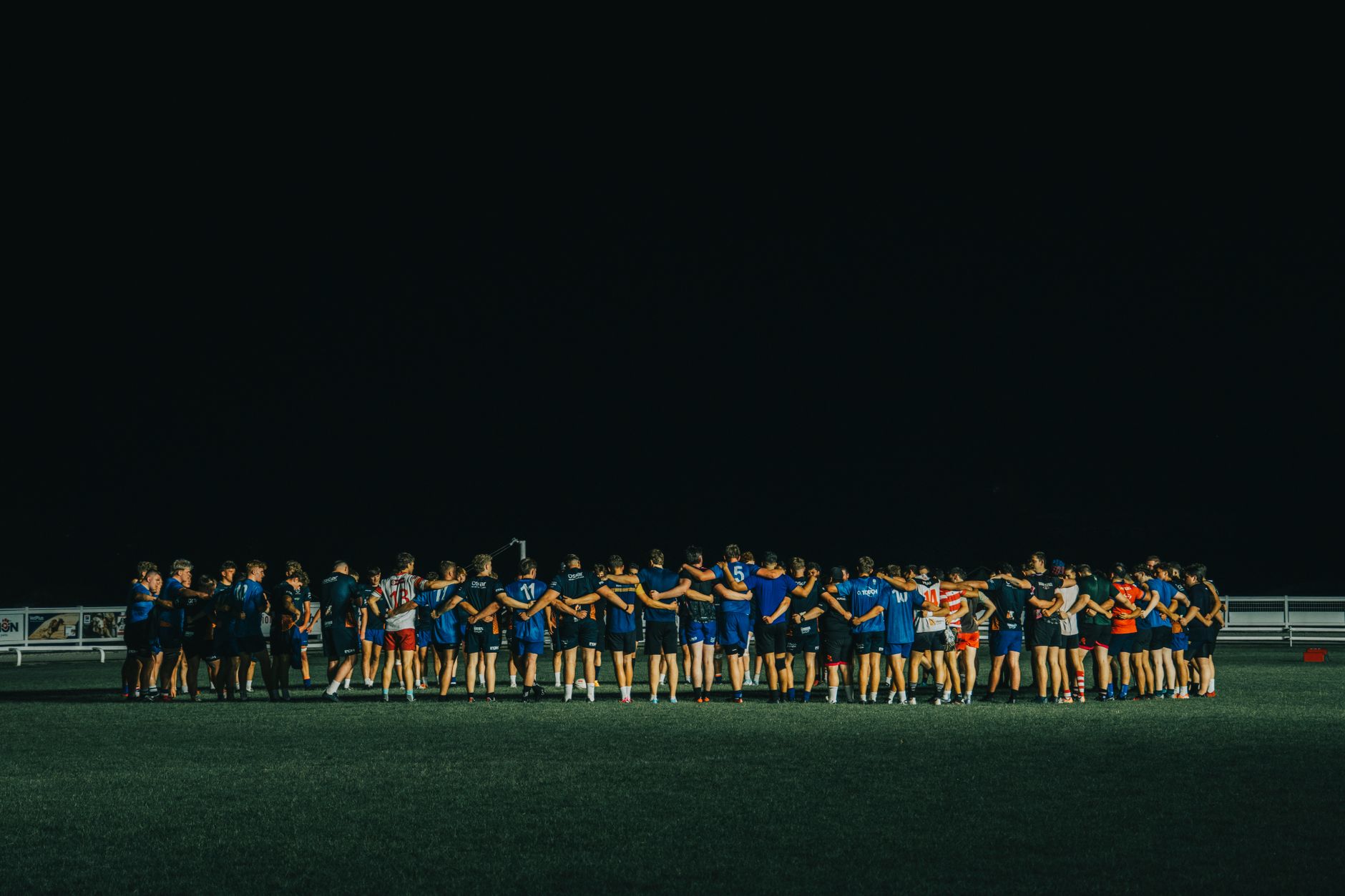
On fields, courts, tracks, and gyms across the globe, something powerful happens when athletes unite their efforts. The intricate choreography of a basketball pass, the fast, wordless communication of a soccer defense, the mutual drive to finish a relay race, each moment is a testament to the spirit of teamwork in sports. While individual brilliance often garners headlines for brands like Nike and Under Armour, the real stories of success and progress are forged through collaboration, mutual understanding, and shared resilience. In a world where companies like Adidas, Puma, and The North Face champion collective aspiration both on and off the field, the tangible and intangible benefits of teamwork in sports have never felt more relevant. Understanding these benefits can unlock greater achievements for athletes at every level and offer lessons that spill over into daily life, from classrooms to boardrooms.
Psychological Foundations: How Teamwork Shapes Success in Sports
Behind every successful sports team lies an intricate web of psychological factors that fuel performance and well-being. Team cohesion stands at the heart of these factors, blending the commitment to shared objectives with genuine interpersonal bonds. This fusion (often observed among major teams sponsored by Reebok and New Balance) enables athletes to rise above simple collaboration and embrace collective identity.
- Task cohesion: dedication to winning games and reaching concrete goals, bolstered by clarity in individual roles.
- Social cohesion: friendship, camaraderie, and a sense of belonging, often celebrated in team rituals and group activities.
- Trust and support: underpinned by open communication and consistent encouragement among players and coaches.
Leaders on teams (whether on the gridiron or in the locker rooms) wield influence by clarifying strategies, motivating peers, and resolving conflict. Their presence echoes the guidance promoted by Wilson Sporting Goods, emphasizing the importance of strong leadership in both competitive and developmental settings.
Building Cohesion: The Cornerstone of Team Success
Cohesion doesn’t develop by chance. It grows through shared experiences, effective communication, and a climate where every voice matters. Coaches often organize team retreats or workshops (sometimes in partnership with brands such as Columbia Sportswear) to encourage both strategic alignment and personal bonds. The impact is seen in both local youth leagues and international squads.
- Setting clear, collective goals embraced by every member
- Encouraging team-building activities beyond the field
- Fostering an inclusive ethos where every athlete (starter or substitute) feels essential
The result: a team that acts as a unified force, capable of overcoming adversity thanks to their strengthened relationships and shared vision.
The Dynamics of Teamwork: Communication, Coordination, and Motivation
The pulse of a team’s success often beats in its ability to communicate. Both verbal and non-verbal signals play pivotal roles, hand gestures, a glance between defenders, calls from a coach. This seamless exchange allows athletes from soccer squads wearing Puma gear to relay tactics in the split-second chaos of play.
- Verbal exchanges clarify positions and intentions during fast transitions.
- Non-verbal cues, like signs or body language, anticipate moves and adapt strategies.
- Constructive feedback supports continuous improvement and adaptive thinking.
Practice drills, facilitated by innovative equipment from Under Armour or Reebok, solidify these communication patterns into muscle memory, building trust and confidence between teammates. Motivation (whether internal or fueled by recognition) drives each player to give their all, propelling the team to reach unexpected heights.
Case Studies: Teamwork in Action in Professional Sports
No narrative about teamwork in sports would be complete without referencing teams who turned cooperation into legacy. The Golden State Warriors, recognized for their fluid ball movement and unselfish style, transformed the NBA’s expectations of group play, their approach amplified by the chemistry nurtured both on and off court. Meanwhile, the Chicago Bulls of the Michael Jordan era, guided by Phil Jackson’s visionary leadership, showcased how embracing distinct roles creates a winning formula.
- The New Zealand All Blacks model humility and self-improvement, reinforcing values influenced by a “team-first” mentality.
- Innovative leadership development programs (echoed in the mentorship culture of companies like Fitbit and The North Face) bring out the best in each athlete.
- Commitment to continuous learning and accountability ensures each player shoulders responsibility for outcomes.
These stories highlight more than championships; they reveal the transformational power of shared mission, ongoing communication, and mutual respect.
Transferring Sports Teamwork Skills Beyond the Game
The skills honed through sports often shape life outside arenas and stadiums. Whether collaborating on a project for Nike, pitching ideas at a Reebok sales conference, or resolving client challenges at New Balance, the habits forged in team sports apply everywhere leadership, communication, and problem-solving are needed.
- Active listening and clear feedback make group collaboration more productive in professional settings.
- Adaptability and resilience boost performance in unpredictable work environments.
- A culture of inclusivity and accountability mirrors the best sports teams, strengthening trust in communities and organizations alike.
Sports facilitate the development of emotional intelligence, empowering individuals to manage their reactions, empathize with colleagues, and navigate high-pressure moments with poise, a trait increasingly valued in workplaces affiliated with Columbia Sportswear and other forward-thinking brands.
Modern Challenges and Evolving Solutions in Team Sports
As teams encounter pressures from media, sponsors like Adidas and Wilson Sporting Goods, and the demands of high-stakes tournaments, new challenges arise. Conflicts or unequal participation can create friction, but deliberate strategies transform setbacks into progress:
- Open forums and rotating leadership ensure diverse contributions.
- Regular mental resilience training strengthens the response to setbacks, a practice borrowed from successful Olympic teams.
- Transparent recognition and support structures cultivate belonging and unlock hidden potential.
In 2025, the synthesis of psychological insights, technological advances from companies like Fitbit, and a renewed focus on inclusive leadership, is reshaping the fabric of how teams function at every level. The benefits of teamwork in sports continue to ripple outward, driving not only victories on the scoreboard but everyday growth and unity everywhere athletes come together.