


“Eat Your Way to a Younger Heart”: These Nitrate-Rich Foods Dramatically Boost Heart Health for Older Adults, Experts Reveal
 By
Noah Bennett
By
Noah Bennett
| IN A NUTSHELL |
|
The journey of understanding how our bodies interact with the foods we consume has taken a fascinating turn with recent discoveries about nitrate-rich foods and their impact on cardiovascular health. Beets, often heralded for their blood-pressure-lowering benefits, have now been shown to have effects that vary significantly with age. This breakthrough study highlights the pivotal role of the oral microbiome in converting dietary nitrate into beneficial nitric oxide, revealing a new layer of complexity in how our bodies maintain vascular health. As we delve into the study’s findings, we uncover intriguing insights into the symbiotic relationship between age, diet, and oral bacteria.
The Role of the Oral Microbiome in Nitrate Conversion
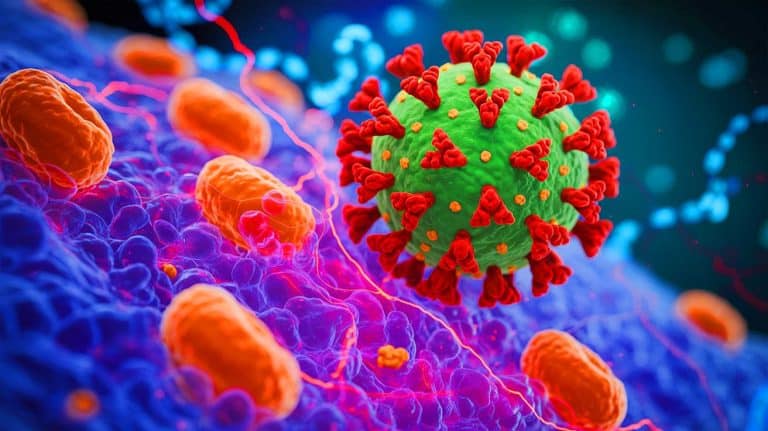
The oral microbiome is emerging as a key player in the conversion of dietary nitrate into nitric oxide, a molecule that significantly influences our cardiovascular system. Unlike other nutrients that are absorbed in the gut, nitrates from vegetables like beets, spinach, and arugula travel to the salivary glands, where they undergo a unique transformation. The bacteria on the tongue, particularly nitrate-reducing species, convert these compounds into nitrites, which are then swallowed and further converted into nitric oxide in the body. The significance of this process cannot be overstated, as nitric oxide plays a crucial role in regulating blood pressure, enhancing circulation, and improving exercise performance.
Studies indicate that the ability to produce nitric oxide naturally diminishes with age, making dietary sources increasingly important. The University of Exeter’s research underscores the idea that the oral microbiome is not just a passive environment but an active participant in our health. By harnessing the power of this microscopic ecosystem, older adults can potentially mitigate age-related declines in vascular function and maintain better heart health.
Research Findings: Age-Related Differences in Nitrate Benefits
The study conducted by the University of Exeter involved 75 participants, with a closer examination of 26 individuals divided into younger and older age groups. The findings were revelatory: older adults experienced a significant reduction in blood pressure after consuming nitrate-rich beet juice, while younger participants showed no notable changes. This age-dependent variance highlights a previously underestimated factor in dietary health interventions. The older group saw an increase in nitrate-reducing bacteria like Veillonella, pointing to an adaptive response in the oral microbiome.
Conversely, the younger group did not exhibit the same microbial changes, suggesting that their natural nitric oxide production is sufficient, rendering dietary nitrates less impactful. This divergence in outcomes underscores the importance of tailoring dietary recommendations according to age. The presence of nitric oxide in both age groups indicates successful absorption, yet the health benefits were markedly different, emphasizing the nuanced interplay between diet, age, and microbial ecology.
Implications for Dietary Recommendations and Health Interventions
The implications of these findings extend beyond academic interest, offering practical guidance for health interventions. Encouraging the consumption of nitrate-rich foods among older adults could serve as a preventive strategy against age-related vascular decline. The study paves the way for personalized nutrition plans that account for the unique biological landscapes of different age groups. As Professor Anni Vanhatalo suggests, increasing the intake of such vegetables could have profound health benefits for older populations, potentially reducing the risk of cardiovascular complications.
Moreover, the study highlights the potential for developing age-specific interventions that leverage the oral microbiome’s capabilities. Understanding the microbial communities that flourish with age can inform strategies to enhance beneficial bacteria, thereby optimizing the conversion of dietary nitrates. This approach not only promotes cardiovascular health but also taps into the broader potential for dietary interventions in age-related medicine.
The Future of Microbiome Research in Healthy Aging
This research opens new avenues for exploring the intricate connections between diet, the oral microbiome, and healthy aging. As Lee Beniston from the UK’s Biotechnology and Biological Sciences Research Council notes, the study exemplifies how bioscience can illuminate the complex interactions that underpin our health. By identifying specific microbial modules that respond to dietary nitrates, researchers can explore interventions to regulate inflammation and immune function in older adults.
The prospect of regulating bacterial groups linked to chronic conditions offers a promising frontier for improving quality of life as we age. As we continue to uncover the roles of different microbiomes within our bodies, the potential for targeted, microbiome-based therapies becomes increasingly tangible. This research not only enriches our understanding of dietary impacts but also invites further exploration into how we can harness these findings for broader applications in public health.
The study’s findings mark a significant step forward in understanding the dietary factors that contribute to heart health, particularly in older adults. As the research community delves deeper into the oral microbiome’s role, the potential for innovative, age-specific health interventions becomes increasingly evident. Could this be the key to unlocking new strategies for enhancing longevity and vitality through diet?
Continue reading