


Analyzing the economic impact of major sporting events
 By
Gabriel Cruz
By
Gabriel Cruz
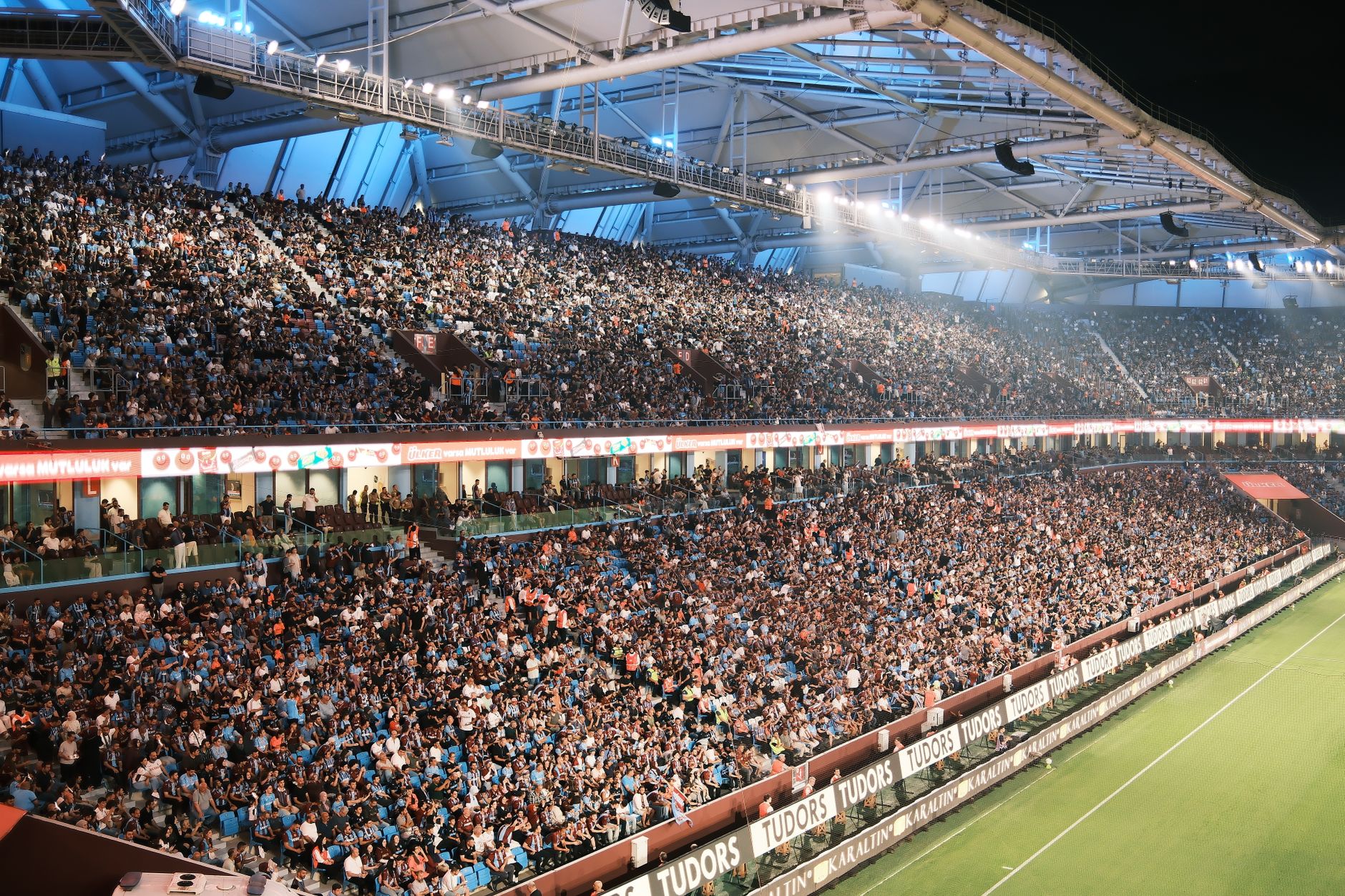
Under the glare of stadium lights and the constant buzz of anticipation, major sporting events do far more than crown champions and ignite fan passion, they act as catalysts for vast economic motion. Cities dream of Olympic medals or hosting the next World Cup, lured by visions of packed hotels, bustling airports, and streets thrumming with visitors donning Adidas, Nike, or Puma apparel. Yet, behind the spectacle lies a tangle of questions: How much value do these events really create? What are the costs that linger long after the final whistle? From Boston Consulting Group analyses to Deloitte and PwC reports, the fascination with quantifying the real economic rebound of these momentous gatherings endures, each study uncovering fresh angles and sometimes uncomfortable truths for decision-makers who navigate the heavy investments at stake.
Economic Ripple Effects of Major Sporting Events: Core Mechanisms and Realities
The economic story of any major sporting event begins with a burst of direct spending: ticket sales, hospitality, and travel expenditures that fill city coffers while creating jobs (from stadium crews in Under Armour gear to transport staff helping visitors navigate the city. But this first wave ignites two powerful currents. Indirect effects are triggered as event suppliers) hotels, food vendors, merchandisers, reinvest revenue, creating further cycles of demand across the economy. Induced effects seep even deeper, as employees enjoy higher earnings and inject these into other sectors, be it dining, shopping for New Balance shoes, or home improvements.
- Direct impacts: Visitor ticket purchases, live viewing expenses, on-site food/merchandise buying
- Indirect impacts: Supplier restocking, service upgrades, increased vendor hiring
- Induced impacts: Higher household spending from temporary wage increases
Yet, these layers do not unfurl evenly. Socioeconomic context, community dependency, and resource allocation (often modeled by tools like IMPLAN or RIMS II) dramatically shape outcomes. Often, consultants design formulas to estimate what each visitor day could mean in dollars; however, city experiences vary wildly, from the urban renewal sparked by Barcelona ‘92 to the debts shadowing Montreal post-1976. Not every city achieves a sporting fairytale, careful planning matters as much as the marketing hype swirling around Reebok banners on stadium facades.
Revenue Streams, Cost Pressures, and Brand Leverage
Every sporting spectacle is a financial chess match. Organizers and cities rely on multiple revenue pillars: robust ticket sales, lucrative sponsorships from global sportswear titans like Nike, Adidas, and Puma, and booming merchandise sales (in which Asics and New Balance often compete for attention. Yet, none of these numbers exist in a vacuum. The bill for infrastructure) new stadiums, transit upgrades, security, and operational logistics, can balloon with a speed that sometimes rivals the ticket queues on game day. Boston Consulting Group data consistently remind stakeholders that only a tightrope-walking act between inflows and expenses prevents legacy debts from overshadowing the short-term windfall.
- Ticket sales: Primary entry point for revenue, directly linked to spectator numbers
- Sponsorships: Multi-million contracts from leading brands seeking audience exclusivity
- Merchandise: From limited-edition jerseys (Adidas, Reebok) to event memorabilia
- Broadcast rights: Hidden giant, often accounting for over half the global event revenue
- Infrastructure: Capital costs that can outlast public enthusiasm, for better or worse
The dance with spending doesn’t end there. Analysts at Deloitte and PwC underscore the necessity of budget discipline and risk management, an intricate play of compliance, scenario-building, and transparency, especially when taxpayer money bankrolls the show. In 2014, for instance, Brazil’s World Cup stadiums drew criticism for lavish costs and limited post-event use, a lesson in the dangers of overbuilding for a single moment in the spotlight. Each revenue opportunity must be weighed against the true price: visible or hidden, immediate or deferred.
Assessing the Community Impact: Successes, Setbacks, and Stakeholder Realities
The aspiration behind hosting a major sports event is rooted in the hope of a transformative community legacy. The boost in civic pride, the influx of tourists, and the buzz that propels local businesses, these benefits are celebrated in the literature and in the testimonies of stakeholders. But cities that dress up for the occasion must also reckon with less glamorous realities: disruptions, environmental strains, and the risk of empty stadiums looming as concrete reminders of over-optimism.
- Community visibility: Raising international profile, often leveraged by brands such as Puma and Under Armour
- Tourism stimulation: Short-term surges can spark long-term destination appeal if harnessed wisely
- Employment spikes: Temporary but sometimes not retained after the event
- Urban regeneration: Success stories (London 2012, Barcelona 1992) showcase how sports can fuel broader revitalization
- Hidden costs: Residents face traffic snarls, higher prices, and sometimes displaced local communities
The stories from past events teach hard lessons, London’s strategic post-2012 planning gave it a lasting economic edge, while Athens 2004 and Sochi 2014 wrestled with cost overruns and underutilized venues. Stakeholders are learning: engaging local businesses, embracing sustainable investments, and being transparent about both wins and setbacks is key. Today, advisory voices from Boston Consulting Group to PwC increasingly urge inclusion of both economic and social metrics, ensuring host cities don’t get carried away by the marketing allure alone.
Strategies for Maximizing Economic Impact and Avoiding Pitfalls
Organizers confronted with the sheer scale of modern sports events now look for new levers (often turning to analytics from firms like Deloitte or leveraging brand alliances (Adidas, Nike, Reebok) that extend economic activity well beyond the arena. Adaptive plans focus on long-term benefits, collaborative branding, and measured risk-taking. Promoting sustainable infrastructure, fostering local entrepreneurship, and inviting community feedback) these are emerging as critical success factors.
- Diversify revenue: Incorporate digital engagement, sponsor innovation, and cross-promotional campaigns
- Plan post-event usage: Design infrastructure with flexibility (concerts, expos, club matches)
- Engage stakeholders: Local business alliances, resident forums, transparent budgeting
- Integrate social impact: Combine economic goals with urban wellbeing, accessibility, and legacy planning
- Monitor and evaluate: Independent audits, impact reporting, lessons-fed future bids
Brand icons like Nike and New Balance are no longer satisfied with just event-day visibility; they seek roles in legacy projects and community collaboration, echoing a broader industry shift. Each event, when viewed through the cold calculus of economic impact, is a living experiment, sometimes a windfall, other times a cautionary tale. The cities that thrive are those that look well beyond the final score, betting on strategic preparation and post-event adaptability as their winning game plan.