


This $20K Bike Reveals Shocking Truth About Overpriced Tech: Why It’s More Expensive Than Your Car!
 By
Gabriel Cruz
By
Gabriel Cruz
| IN A NUTSHELL |
|
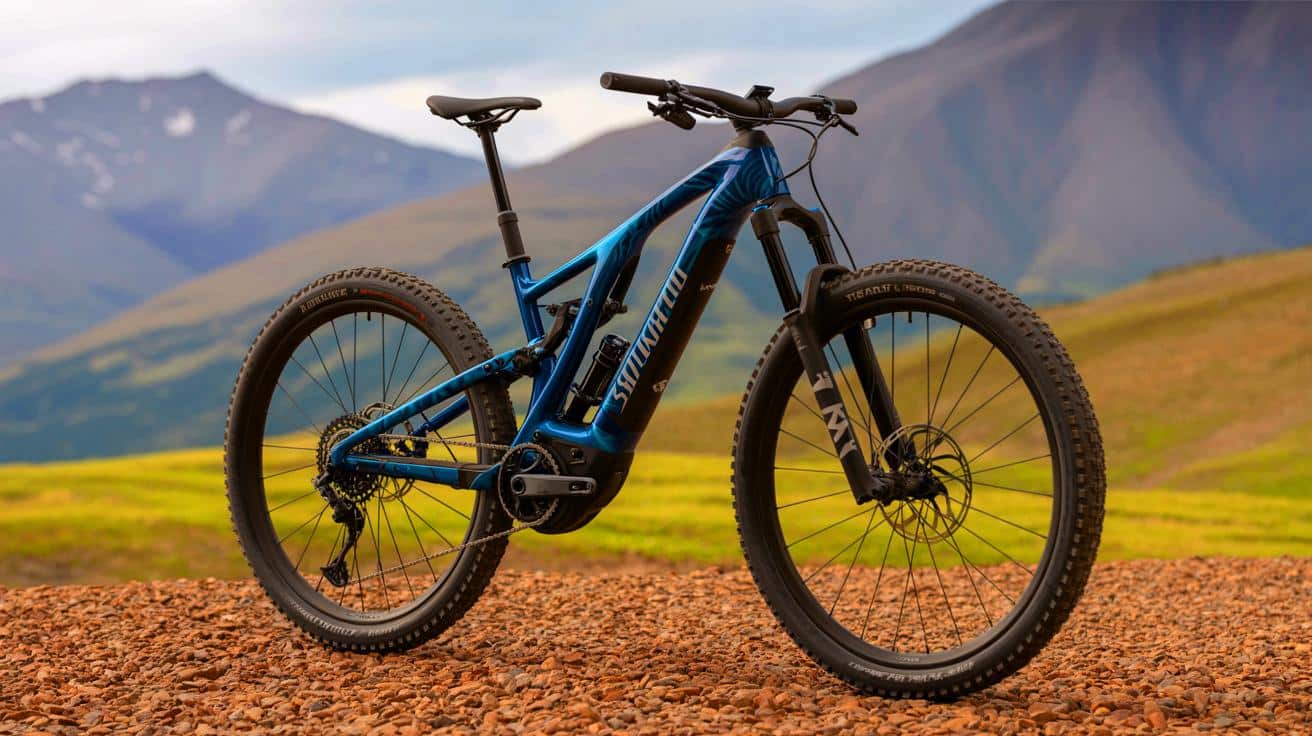
In recent years, the electric bicycle market has witnessed a surge in high-end models promising cutting-edge technology and unparalleled performance. Among these, Specialized’s latest offering, the S-Works Turbo Levo 4 LTD, has sparked both intrigue and debate. With a price tag that exceeds that of some new cars, this e-bike challenges our perceptions of value and technology in the cycling world. The question remains: can the features of this bike justify its hefty cost, or is it simply a testament to the growing trend of luxury in the e-bike market?
The High Cost of Innovation
The Specialized S-Works Turbo Levo 4 LTD is priced at approximately $20,000, a figure that raises eyebrows when compared to the cost of a brand-new Nissan Versa. The Versa, priced around $18,435, offers five seats and a modest 122 horsepower, leaving some money for taxes and registration. In stark contrast, the Turbo Levo 4 LTD offers a single seat and less than one horsepower, challenging the notion of its value proposition.
This pricing strategy reflects a broader trend in the e-bike market where companies push the boundaries of what consumers are willing to pay. While electric bikes have been lauded for their ability to replace cars for short urban trips, the Turbo Levo 4 LTD seems to replace the upfront cost of a car entirely. The question arises whether this approach will alienate potential buyers or set a new standard for luxury in the industry.
What Comes With the Price Tag?
For those willing to invest $20,000, the Turbo Levo 4 LTD offers several premium features. It includes a 720-watt motor with 111 Nm of torque, a specification that matches the standard S-Works Turbo Levo 4 priced at $15,400. Despite the eye-catching marbled blue paint and a “cyborg”-like marketing pitch, the LTD does not appear to offer significant component improvements that justify its premium price.
Among the additional features are a 280-Wh range-extender battery and advanced components like the Fox Podium inverted fork and Trickstuff Maxima brakes. However, these upgrades come with a weight increase, bringing the bike to 52.9 pounds, which is heavier than its standard counterpart. This raises questions about the true value of these enhancements and whether they justify the additional $4,600 cost over the standard model.
Marketing Hype Versus Reality
Specialized’s marketing positions the Turbo Levo 4 LTD as a transformative experience, claiming it turns riders into “cycling cyborgs” with enhanced power and control. This language, while enticing, mirrors common descriptions of high-powered e-bikes and even exoskeleton-assisted cycling.
The reality of the bike’s performance and features suggests that the marketing may be more about creating an image than reflecting substantial technological breakthroughs. The shared components with the standard Levo 4, alongside the modest additions, indicate that the LTD’s premium price may be driven more by its exclusive positioning than by groundbreaking technical advancements. This raises the question of how much consumers are willing to pay for exclusivity and branding over tangible performance benefits.
The Weight of Luxury
One might expect that a bike with such bespoke components would be lighter, enhancing performance. However, the Turbo Levo 4 LTD’s added weight due to its luxurious components challenges this assumption. At 52.9 pounds, it is heavier than the standard Levo 4, with a cost per pound that rivals luxury items like caviar.
Specialized finishes this model with a unique Astral Blue paint job, described as a harmony of “calm and chaos.” The cost of this paint, when broken down, adds significantly to the bike’s price, yet it offers no performance advantage. This highlights a trend where aesthetics and exclusivity command a premium, often overshadowing practical upgrades that enhance the riding experience.
The release of the Specialized S-Works Turbo Levo 4 LTD raises important questions about the future of the e-bike market. As companies continue to push for higher prices and more luxurious offerings, consumers are left to decide whether these bikes represent meaningful advancements or simply a shift toward exclusivity. Will the market sustain such high prices, or will it demand more accessible and value-driven innovations? Only time will tell how these trends will reshape the industry and influence consumer expectations.