


The impact of sports on mental health in 2025
 By
Gabriel Cruz
By
Gabriel Cruz
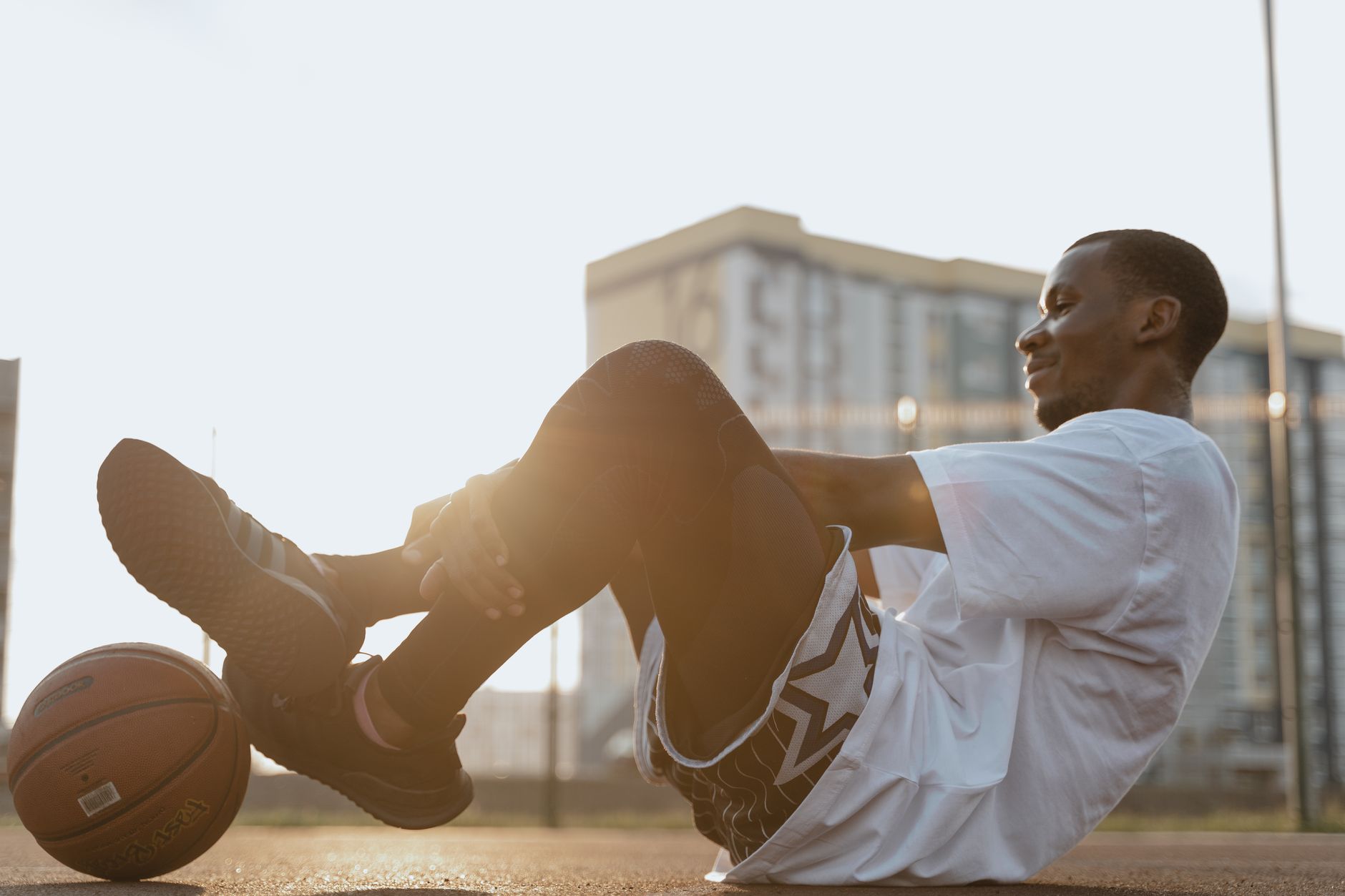
It was a bright January morning in 2025 when Maya laced up her newest Nike trainers, just another enthusiast in a world awakening to the therapeutic power of sports. Across the globe, a fresh conversation swirled: not just about sculpted bodies or elite victories, but the profound impact of physical activity on the human mind. Major brands like Adidas and Under Armour now ran campaigns highlighting mental wellness as much as performance, while digital trackers such as Fitbit and interactive platforms like Peloton and Mindbody helped people everywhere turn simple movement into daily sanctuary. This year more than ever, athletic shoes and yoga mats became tools for self-discovery and healing, reminding everyone that sport is not just a spectacle but a lifeline for mental health in a fast-paced, interconnected age.
How Sports Reduce Stress and Anxiety in the Modern World
Amid the relentless pulse of modern life, the body’s response to sport is immediate: endorphins surge, cortisol (the stress hormone) drops. Whether dashing through a rain-soaked street or joining a midday soccer game, participants experience a chemical shift, trading tension for tranquility. In 2025, this has been amplified by the reach of community runs promoted by Reebok, local volleyball leagues organized via Mindbody, and virtual cycling classes on Peloton, all designed to foster well-being.
- Aerobic sports like running and swimming clear the mind and help regulate stress levels.
- Team activities such as basketball or football provide both competition and a vital sense of belonging.
- Regular exercise leads to improved sleep quality, further reducing anxiety and restlessness.
Through these activities, sports have become the new balm for those seeking calm in the chaos, blending relaxation with a vibrant sense of achievement.
Fighting Depression and Elevating Mood Through Play
For countless individuals, engaging in sports has proven to be more than a pastime, it’s a meaningful step toward overcoming depression. The global narrative has shifted, with brands like Gymshark and Lululemon placing mental health at the heart of their communities, championing yoga, pilates, and high-intensity workouts for emotional balance.
- Endurance sports such as long-distance running ignite dopamine and serotonin release, uplifting mood.
- Yoga and pilates combine mindfulness with movement for a potent antidepressant effect.
- Boxing and martial arts channel negative emotions into empowering action.
Personal stories of transformation (from urban boxing gyms to quiet parks) continue to inspire, proving that physical activity is a genuine path to emotional lightness, especially when reinforced by strong community brands and platforms.
Building Confidence, Self-Esteem, and Social Connections Through Sport
Few things mold character as powerfully as achieving athletic goals. In 2025, the self-assurance fostered by regular participation has become one of the most celebrated outcomes of sports. Whether chasing milestones in an Adidas-sponsored run or joining Puma’s community football leagues, every accomplishment rewrites the story athletes tell themselves.
- Skill development: Acquiring a new technique or improving in a chosen sport revives motivation.
- Visible physical change (better fitness and posture) fuels inner confidence.
- Supported achievement, especially through team environments, builds resilience and camaraderie.
What’s more, participation extends beyond the field or gym: it weaves lasting relationships, from teammates to trainers, creating enduring networks of support and empathy.
Cognitive Gains and Mental Sharpness From Athletic Engagement
The benefits of sports now extend deep into the mind. Scientific advances in 2025 highlight how regular activity enhances attention, memory, and strategic thinking. Apps by brands like Fitbit offer feedback on both brain and body, helping users understand their cognitive progress as well as their step count.
- Heightened blood flow to the brain strengthens focus and recall.
- Strategic games like football or tennis enhance decision-making skills.
- Routine activity is linked to lower risks of neurodegenerative conditions.
This holistic enhancement proves that sports are at the forefront not only of physical health but cognitive vitality as well, sparking ambition in schools, companies, and families alike.
Resilience, Healthy Coping, and Sustainable Habits Through Athletics
Stories circulate of athletes young and old facing defeats, injuries, or setbacks (only to return stronger, more focused, and emotionally grounded. It is through this crucible that resilience) arguably sport’s greatest lesson, is forged. Under Armour has made this narrative central in its campaigns, spotlighting grit as the true measure of success in 2025.
- Running and lifting weights teach discipline and emotional regulation.
- Team sports provide emotional support and an outlet for stress.
- Sports like martial arts and swimming empower those with focus-related disorders, such as ADHD, by enhancing attention and self-control.
These experiences breed not only resilience, but form positive coping strategies for challenges far beyond sport, in relationships, workplaces, and daily routines.
The Technological Revolution: Accessibility and Awareness in 2025
Technology has reimagined the playing field. Wearables like Fitbit track both fitness and mood fluctuations, offering instant feedback. Virtual environments from Peloton and Mindbody extend participation to anyone, anywhere, democratizing wellness. Social campaigns led by major brands keep the conversation moving, encouraging people to speak out, join in, and seek support.
- Virtual and augmented reality break barriers for those previously isolated from activity.
- Apps provide customized mental health resources tailored to the user’s needs.
- Online communities foster belonging and open dialogue about mental health.
For Maya and millions like her, the journey continues, a path marked with hurdles, victories, and the ever-present promise of healing through movement and togetherness.