


“Unbelievable Surge: 100 Electric Jets Disrupt Nordic Skies”: Electric CTOL Aircraft to Revolutionize Regional Travel with Groundbreaking Deliveries for Nordic Route Tests
 By
Noah Bennett
By
Noah Bennett
| IN A NUTSHELL |
|
In a significant stride towards sustainable aviation, BETA Technologies has achieved a major milestone with the delivery of its ALIA CX300, an electric conventional take-off and landing (CTOL) aircraft, to Bristow Norway AS. This delivery marks the beginning of a new era as the aircraft will undergo testing for zero-emission operations across Nordic routes. The ALIA CX300, designed to carry five passengers and a pilot, is set to redefine short-haul flights with its innovative electric propulsion system. As the world grapples with climate change, this development represents a pivotal step towards reducing the aviation industry’s carbon footprint.
The Arrival of ALIA CX300 in Norway
The debut of the ALIA CX300 in Norway marks a new chapter for BETA Technologies and Bristow Norway AS. After a successful demonstration tour across seven European countries, the aircraft has finally arrived at Stavanger Airport in Rogaland county. This delivery is not just a transaction but a significant step towards achieving zero-emission aviation. The aircraft’s arrival in Norway also signifies the start of operations at Norway’s Test Arena for Zero & Low Emission Aviation, an initiative aimed at testing and refining innovative aviation technologies.
The ALIA CX300’s journey from Ireland to Norway covered an impressive 4,335 miles, showcasing the aircraft’s capabilities and endurance. The delivery included a series of demonstration flights intended to highlight the aircraft’s potential in reducing emissions while maintaining efficiency. This endeavor aligns with Norway’s commitment to sustainability and innovation, further establishing the nation as a pioneer in green aviation technology.
Specifications and Capabilities of ALIA CX300
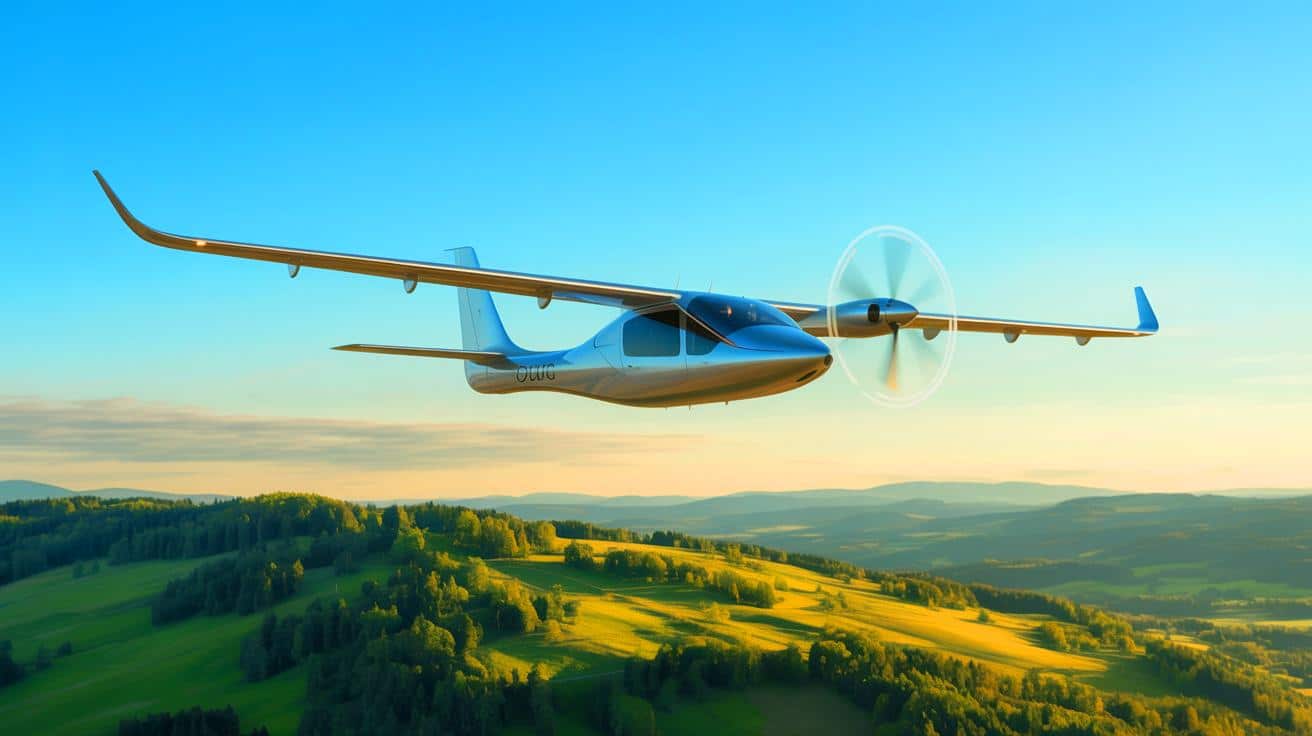
The ALIA CX300 stands out with its unique design and capabilities. Unlike conventional aircraft, it operates using an electric motor that powers a single five-blade propeller located at the rear. This design choice not only enhances the aircraft’s aerodynamic efficiency but also contributes to its low noise profile, making it ideal for operations in urban areas and environmentally sensitive regions.
Equipped with robust onboard batteries, the ALIA CX300 boasts a range of over 300 nautical miles on a single charge, with recharging times taking approximately an hour. This capability makes it an attractive option for short-haul flights, particularly in regions like the Nordics, where distances between cities are conducive to such operations. The aircraft’s ability to take off and land using runways, rather than vertical take-off, allows it to integrate seamlessly into existing airport infrastructures, minimizing the need for additional investments in new facilities.
Collaborative Testing and Future Prospects
The introduction of the ALIA CX300 in Norway is not merely about showcasing technology but also about collaboration. The partnership between BETA Technologies and Bristow Norway AS is a testament to the power of cooperative innovation. In the coming months, Bristow pilots and maintenance personnel will engage in extensive test flights under the regulatory sandbox evaluation project, conducted in partnership with Avinor and the Civil Aviation Authority of Norway.
This project will explore potential customer routes, starting with flights between Stavanger and Bergen. It aims to establish a framework for future operations, setting the stage for expansion into other routes. The insights gained from these tests will be instrumental in shaping the future of electric aviation, providing valuable data on operational efficiency, customer experience, and regulatory compliance.
The Broader Impact on the Aviation Industry
The deployment of the ALIA CX300 represents a significant advancement in the aviation industry’s shift towards sustainability. As the world faces increasing environmental challenges, the need for clean energy solutions in aviation becomes more pressing. The success of this project could serve as a blueprint for other regions and countries seeking to implement sustainable aviation technologies.
Moreover, the collaboration between BETA Technologies and Bristow Norway AS highlights the importance of partnerships in driving innovation. By combining expertise and resources, companies can accelerate the development and adoption of groundbreaking technologies. As the project progresses, it will be crucial to monitor its impact on the aviation industry and the broader implications for global transportation networks.
The delivery of the ALIA CX300 to Norway marks a pivotal moment in the pursuit of sustainable aviation. As the world continues to grapple with environmental concerns, the development and deployment of electric aircraft like the ALIA CX300 offer a glimmer of hope for a cleaner, more sustainable future. How will these advancements reshape the aviation industry, and what new opportunities will they unlock for global transportation?