


Every U.S. bomber deployed at RAF Fairford has returned to the United States following a security incident that triggered a British terrorism investigation. The rushed withdrawal involved at least 12 aircraft, including bombers that had recently arrived in the United Kingdom for a rotation.
The deployed force included B-1, B-2 and B-52 bombers, according to NBC News. Removing the entire contingent moved the aircraft away from the airfield under investigation, but it did not take them out of operation: the Pentagon said crews can launch missions from the continental United States and return there.
RAF Fairford is a U.S.-run military air base in England, about 100 miles west of London. American bombers have used it during conflicts in the Middle East. The scale and speed of this redeployment therefore made it more than the routine departure of a few aircraft or the rotation of a single bomber type.
Why every deployed bomber was sent home
The redeployment followed a British investigation into a suspected terrorist plot connected with the late-September incident at RAF Fairford. The investigation explains the timing of the move, although the Pentagon did not publicly identify a newly discovered danger as its cause.
Officials said the decision was not a response to a new or different threat to the base. They described it as part of threat reporting that already existed but released no further details. This means the Air Force repositioned the aircraft while British authorities investigated the incident, rather than leaving them at the affected airfield until the inquiry reached a conclusion.
Six people were taken into custody during the investigation and later released on bail, HuffPost reported. Their release did not end the investigation or determine responsibility.
British officials alleged that Iran played a role in the incident, while Iran denied involvement. Responsibility has not been publicly determined, and the allegation remains part of an ongoing police inquiry. It is separate from the Pentagon’s explanation of its operational decision.
The arrests and what police reported finding
The known sequence began near RAF Fairford on September 27 before the investigation extended to London:
- September 27: Five British men in their 20s were arrested close to the airfield on suspicion of explosives and terrorism offenses.
- Three vans searched: Police found gasoline in vehicles linked to the five men but no explosives, CBS News reported.
- A later arrest in London: A 25-year-old dual British-Iranian national was detained on suspicion of plotting a terrorist attack.
- Release on bail: All six people taken into custody were subsequently released on bail.
The gasoline recovered from the vans helps explain the counterterrorism response, but police reported finding no explosives. The offenses cited at arrest describe the suspicions being investigated, not findings of guilt or proof that an attack was imminent.

Nor has the inquiry publicly established that the bombers themselves were the intended target. Military commanders do not have to wait for a criminal case to be resolved before moving valuable aircraft away from a location affected by a serious security inquiry. In this case, the confirmed military action was the return of the entire deployed bomber force to its U.S. home stations.
Bomber operations can continue from the United States
Returning the aircraft home removed them from RAF Fairford without ending the Air Force’s ability to conduct bomber missions. The Pentagon said crews operating B-1s, B-2s and B-52s remain capable of launching from the continental United States and recovering there after completing missions.
That operating model allows the aircraft to remain available without being stationed at the British base. The reports do not quantify how the change could affect flight duration, timing or mission capacity. Its immediate effect is geographic: aircraft involved in this deployment must now begin operations from other locations.
The inclusion of three bomber types shows that the withdrawal was not confined to one aircraft model. Some bombers had only recently arrived in Britain for a rotation, underscoring how quickly the Air Force changed the deployment after the security incident.
Operating from home stations also differs from maintaining aircraft at a forward base. RAF Fairford provides a location in England that U.S. bombers have used during decades of Middle East conflicts. Moving the force back to the United States preserves access to the aircraft, but removes the forward presence that this particular deployment provided.
What changed at RAF Fairford
The clearest consequence is that the British base no longer hosts the bombers from this deployment. Any operation involving those aircraft must begin elsewhere, even though RAF Fairford remains an established site for American bomber activity.
The move also separates two operational questions. The security investigation created the context for the rapid withdrawal, while the Pentagon maintained that the bomber force could continue operating from U.S. territory. Repositioning the aircraft therefore changed where they were stationed, not whether they were available.
The wider inquiry remains unresolved. Police found gasoline but no explosives, all six detainees were released on bail, and responsibility for the incident has not been determined publicly. The Air Force nevertheless acted quickly, removing every deployed bomber while retaining the ability to launch B-1, B-2 and B-52 missions from the United States.
Readers following related defense technology developments can also read about testing of U.S. military aviation technology at an Alabama base.
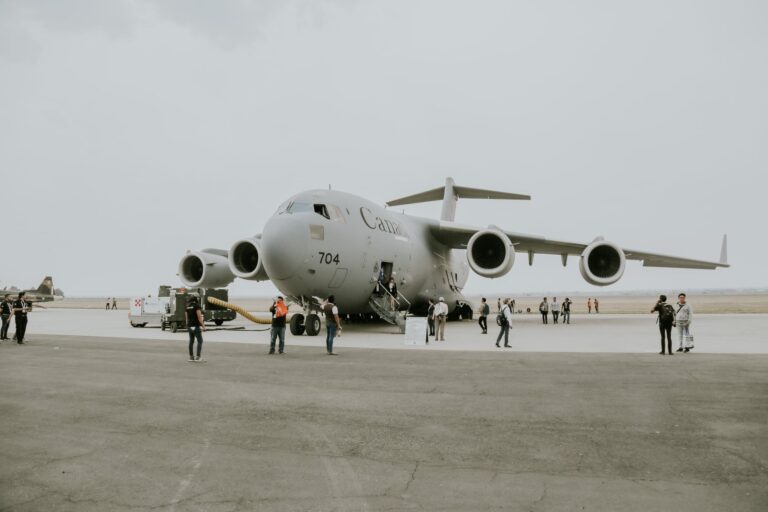
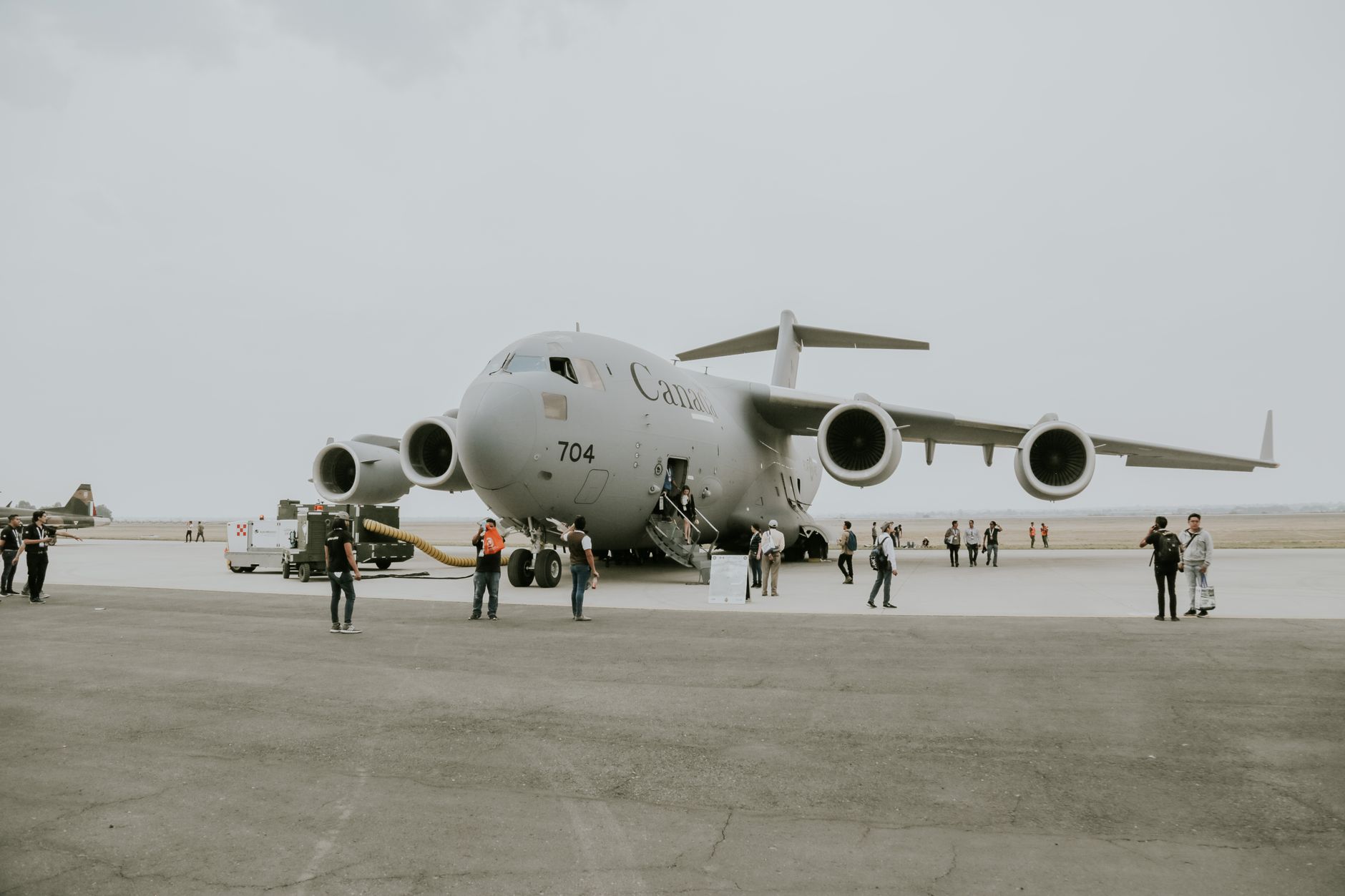
Featured image. Source: Pexels. Credit: Amar Preciado. License: Pexels License.